Germany Summons Russian Ambassador Over Cyberattacks
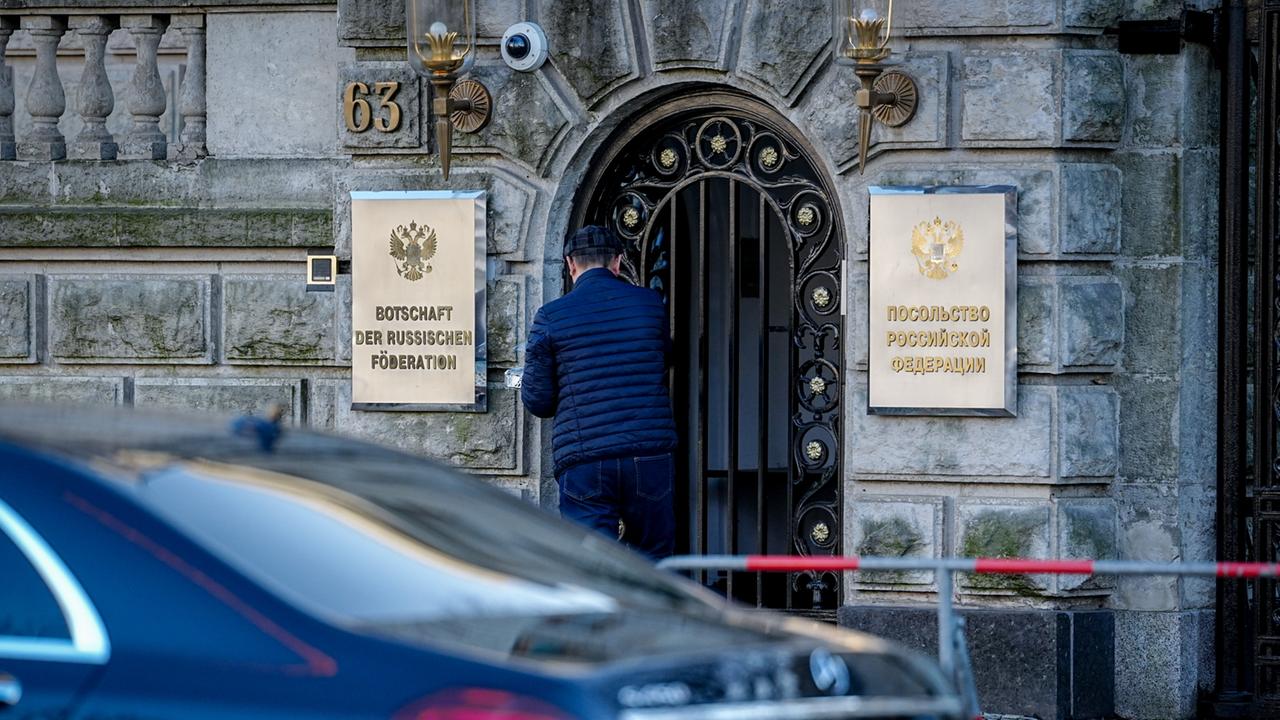
Germany and other European Union countries have officially blamed Russia for significant cyberattacks targeting governmental bodies. In response to these actions, Berlin has summoned the Russian Ambassador to Germany for a formal discussion. The European Union has also implemented new sanctions as a direct consequence of the cyber aggressions. These coordinated actions by Germany and its EU partners signal a strong diplomatic and economic stance against the attributed cyber activities originating from Russia. The specific nature of the state bodies targeted and the details of the cyberattacks have not been fully disclosed, but the attribution points to a serious escalation in digital warfare between Russia and the West. The summoning of the ambassador is a formal diplomatic protest, while the EU sanctions aim to impose economic pressure.
The attribution of cyberattacks to a state actor, particularly Russia, by multiple EU members, including Germany, signifies a critical juncture in international cyber diplomacy. The summoning of the ambassador and the imposition of EU sanctions represent a calibrated response aimed at deterring future state-sponsored cyber operations. This event underscores the growing challenge of state-level cyber warfare and the increasing reliance on diplomatic and economic tools to address such threats. Future geopolitical stability may hinge on the development of clearer international norms and more robust mechanisms for attribution and response in cyberspace, especially as AI-driven cyber capabilities continue to evolve.
AI-generated to prompt reflection — not editorial opinion, not advice, not a statement of fact. How this works.