Germany Tests Submarine-Launched Unmanned Surface Vehicle for Covert Reconnaissance
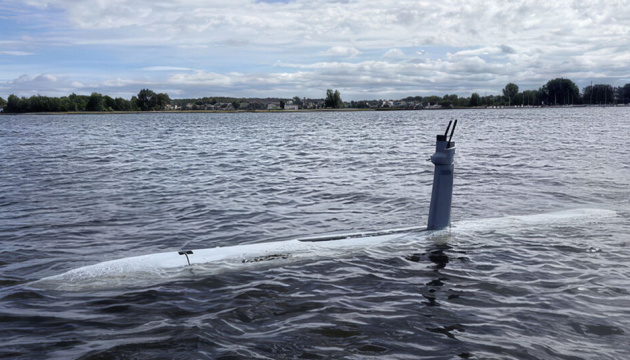
German companies Gabler and Flanq have successfully completed sea trials for the Ranger, an autonomous unmanned surface vehicle (USV). The Ranger is designed to be launched from a standard submarine torpedo tube, enabling covert reconnaissance and surveillance missions. This innovative system allows submarines to extend their operational capabilities by deploying a surface drone for intelligence gathering. The successful trials mark a significant step in the development of advanced naval technologies for stealth operations. The Ranger's deployment from a torpedo tube offers a unique advantage, minimizing the submarine's exposure during drone launch. This capability is crucial for maintaining operational security in contested maritime environments. The collaboration between Gabler and Flanq highlights the growing trend of specialized defense technology development in Germany. The Ranger's intended use for reconnaissance and observation suggests a focus on intelligence, surveillance, and reconnaissance (ISR) missions. Further details on the specific capabilities and operational range of the Ranger are anticipated as development progresses.
The successful testing of the Ranger USV by Gabler and Flanq signifies a strategic advancement in naval ISR capabilities, particularly for submarine forces. By enabling covert deployment from existing torpedo tubes, this technology addresses the inherent limitations of submarine-based intelligence gathering, offering a means to extend situational awareness without compromising the submarine's stealth profile. This development aligns with broader trends in military modernization, where autonomous systems are increasingly integrated to enhance operational effectiveness and reduce risk to personnel. The system's design implies a focus on maintaining a strategic advantage through enhanced, low-signature intelligence collection, potentially influencing future naval doctrines and the design of next-generation submarines and torpedo systems. The long-term implications may involve shifts in the balance of power in maritime reconnaissance, requiring reciprocal adaptations from potential adversaries.
AI-generated to prompt reflection — not editorial opinion, not advice, not a statement of fact. How this works.