Germany Tightens Industrial Emission Rules to Meet EU Directive
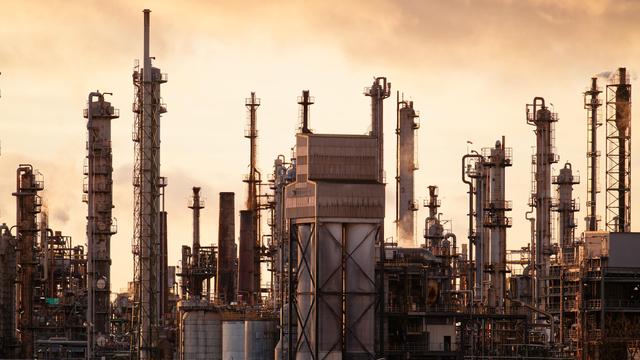
Germany's Bundestag has approved stricter regulations for industrial emissions, which will affect approximately 10,000 industrial facilities across the country. The new rules are being implemented to comply with a directive from the European Union. This legislative action aims to reduce the environmental impact of industrial activities by setting more stringent limits on the pollutants released into the atmosphere. The government's move reflects a broader European effort to harmonize environmental standards and promote cleaner industrial practices. The specific details of the new emission standards and the timeline for their full implementation are expected to be released shortly.
The Bundestag's decision to implement stricter industrial emission rules aligns with the European Union's overarching environmental policy objectives. This move is likely driven by a combination of regulatory pressure and a growing public demand for improved air quality and climate action. By harmonizing standards across member states, the EU aims to create a more level playing field for industries while simultaneously pushing for a reduction in pollution. The challenge for Germany and other member states will be in the effective enforcement of these new regulations and supporting industries in their transition to cleaner technologies. This transition may involve significant investment, potentially impacting competitiveness in the short term, but is crucial for long-term sustainability and public health.
AI-generated to prompt reflection — not editorial opinion, not advice, not a statement of fact. How this works.