Germany to Acquire US-Made Tomahawk Missiles for Enhanced Defense
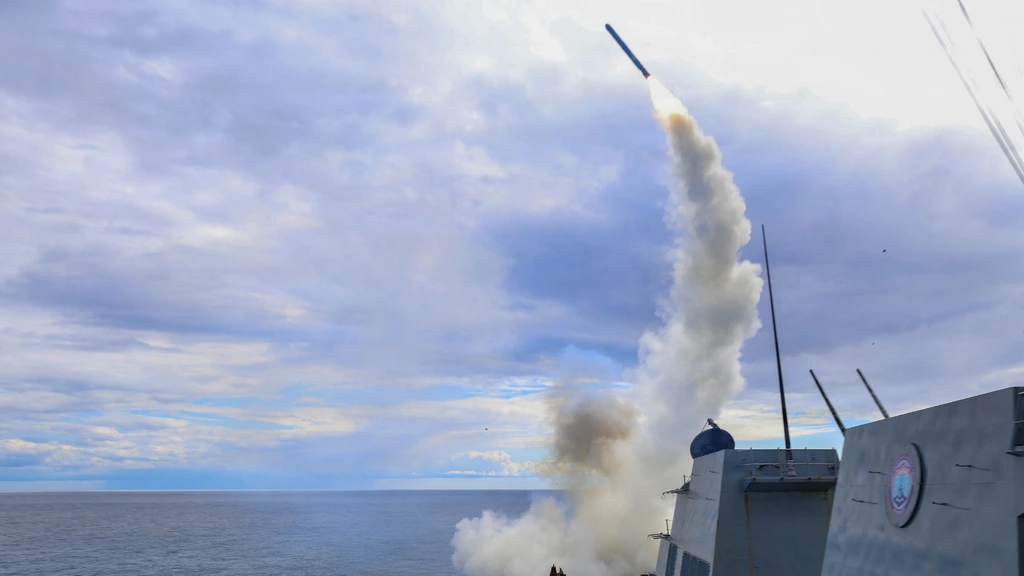
Germany has finalized an agreement with the United States to purchase Tomahawk cruise missiles, which will be stationed within German territory. Chancellor Merz announced the deal in the German parliament, emphasizing its role in bolstering national defense and addressing a significant strategic gap. These missiles, capable of reaching 2500 kilometers, are intended as a deterrent, particularly against Russia. This development follows earlier commitments made by former US President Biden in 2024 to station not only Tomahawks but also SM-6 missiles and new hypersonic weapons in Germany, a plan that was later jeopardized by President Trump. The recent agreement on the Tomahawks was reached during the NATO summit in Ankara. The specific number of missiles and the financial details of the transaction have not been disclosed. European NATO members currently lack their own medium-range missiles, though efforts are underway to develop indigenous weapon systems. The decision comes in the context of Russia's deployment of Iskander missiles and hypersonic-capable aircraft in Kaliningrad, a move that poses a threat to Western Europe and has heightened concerns about the continent's vulnerability since the 2019 withdrawal from a Cold War-era treaty on ground-launched nuclear medium-range missiles.
Germany's acquisition of Tomahawk missiles signifies a strategic recalibration within NATO's European theater, directly responding to perceived security vulnerabilities arising from the dissolution of arms control treaties and Russia's military posture. This move highlights the ongoing tension between reliance on allied military capabilities and the aspiration for European strategic autonomy in defense. The decision underscores the complex geopolitical landscape where technological parity and deterrence capabilities are paramount, influencing national security doctrines and inter-alliance cooperation. Future developments may focus on the integration of these new assets into broader European defense architectures and the long-term implications for arms control dialogues and regional stability in the evolving global security environment.
AI-generated to prompt reflection — not editorial opinion, not advice, not a statement of fact. How this works.