Germany to Cut Renewable Subsidies Amid Grid Strain from Solar Power
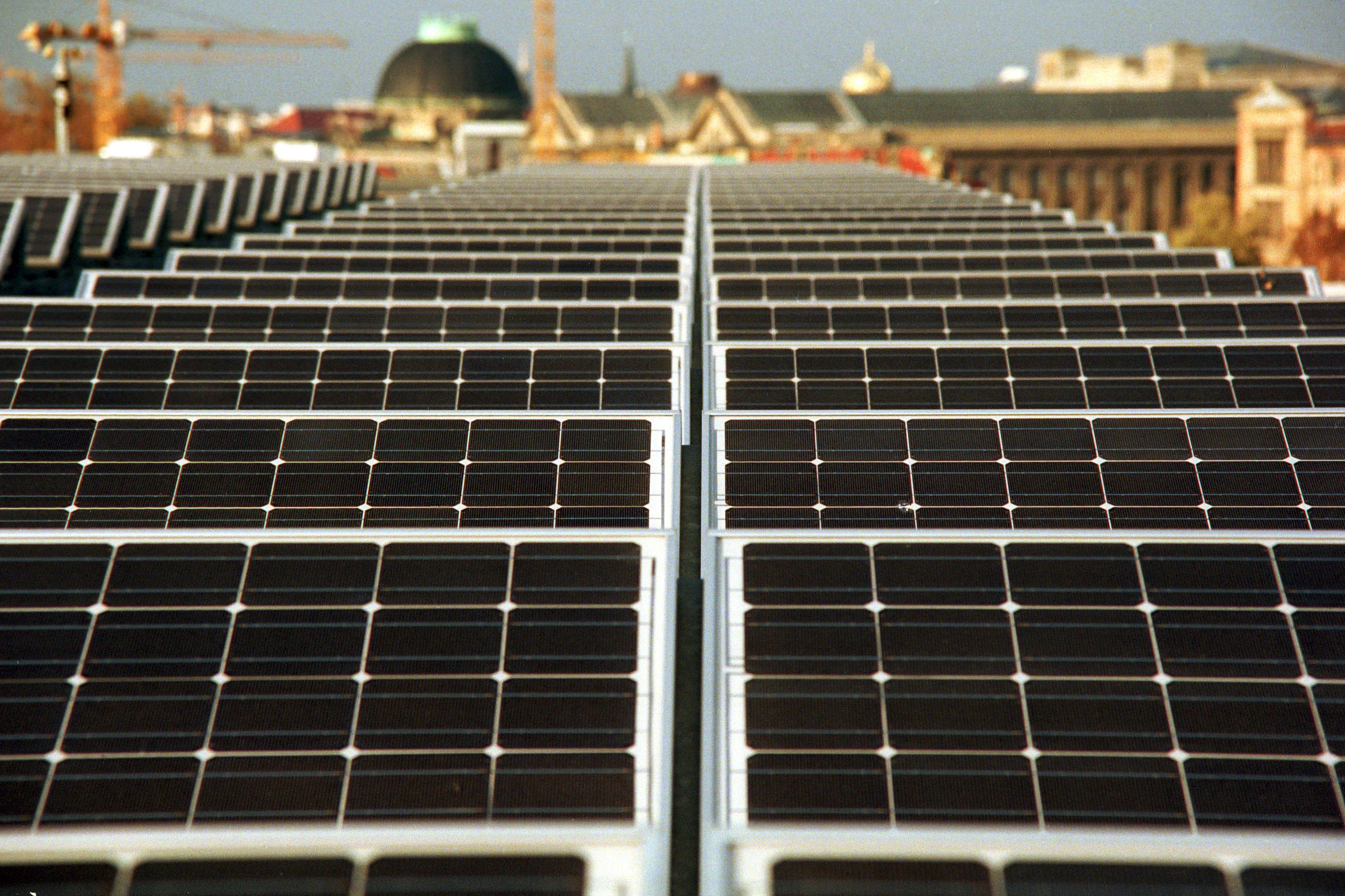
Germany is planning a significant overhaul of its renewable energy financing system, which includes reducing subsidies for the sector. This move comes as the substantial increase in photovoltaic energy production is placing increasing pressure on the national electricity grid. The German government aims to address these challenges by adjusting its financial support mechanisms. The current system has supported the growth of renewables, but the rapid expansion, particularly in solar power, has created new operational demands on the grid infrastructure. Bloomberg reports that Berlin is looking to implement these changes through a comprehensive review of its funding policies. The intention is to balance the continued development of renewable energy sources with the need to maintain a stable and reliable electricity network. The specific details of the subsidy reductions and the revised financing model are expected to be announced following this review.
The German government's proposed reduction in renewable energy subsidies reflects a common challenge faced by nations rapidly integrating intermittent power sources like solar. While the expansion of renewables is crucial for climate goals, the grid infrastructure must evolve in parallel to manage fluctuations in supply and demand. This policy shift suggests a potential recalibration of market incentives, moving from direct subsidies towards mechanisms that better reflect the grid's capacity and stability needs. Future energy policy will likely need to balance accelerated decarbonization with the substantial investments required for grid modernization and energy storage solutions to ensure a resilient and cost-effective transition.
AI-generated to prompt reflection — not editorial opinion, not advice, not a statement of fact. How this works.