Germany to Produce Up to 800 ATACMS Missiles Annually for Ukraine and NATO from 2027
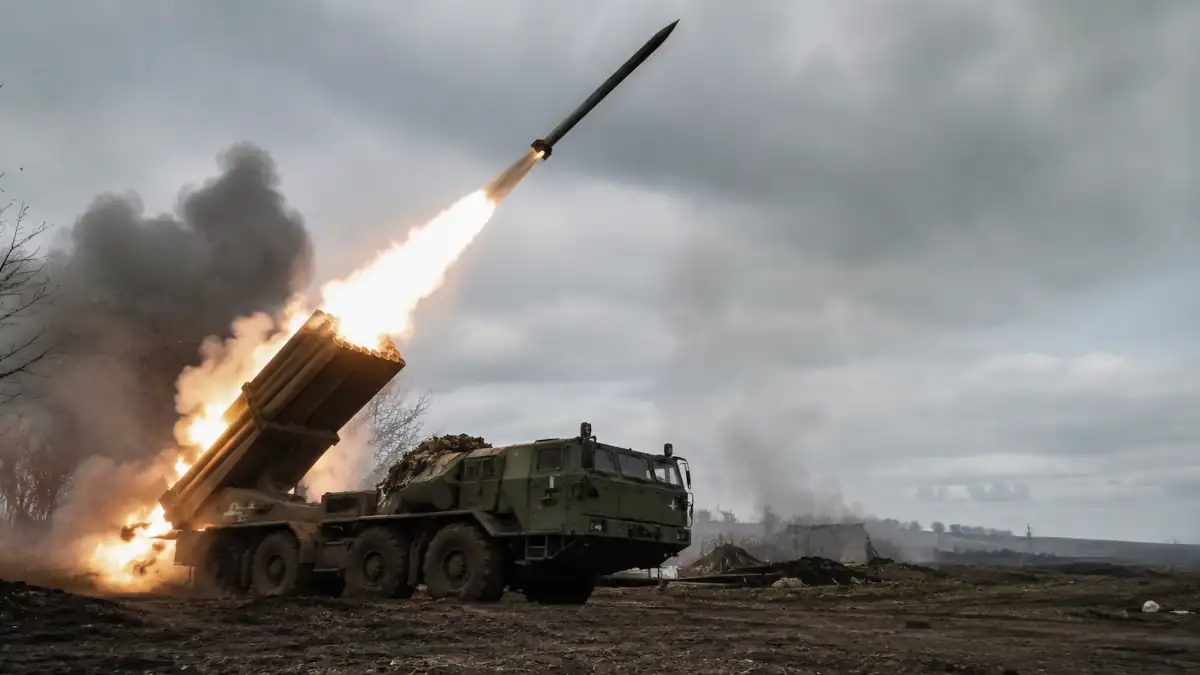
Germany is set to become the first country outside the United States to manufacture American-made ballistic missiles. Lockheed Martin and Rheinmetall signed a memorandum of understanding on Tuesday to co-produce ATACMS missiles at Rheinmetall's facility in Unterlüß, Germany. This agreement was made on the sidelines of the NATO summit in Ankara. The deal, which has the support of both Washington and Berlin, is expected to commence production in 2027. The facility aims to produce up to 800 ATACMS missiles per year. This move signifies a significant step in strengthening European defense capabilities and bolstering support for Ukraine. The co-production initiative is a direct response to the ongoing demand for advanced missile systems in the context of international security challenges. The collaboration between the US defense giant Lockheed Martin and the German defense contractor Rheinmetall highlights a deepening transatlantic defense industrial cooperation. This production in Germany will ensure a more robust and potentially faster supply chain for these critical munitions for both Ukraine and NATO member states.
This agreement represents a strategic shift in NATO's defense industrial strategy, moving critical weapons manufacturing to European soil. The co-production of ATACMS missiles in Germany, supported by both the US and German governments, aims to enhance supply chain resilience and reduce reliance on US-only production. This initiative could signal a broader trend of increased European defense self-sufficiency and a more distributed manufacturing base for key NATO assets. The decision to produce these missiles, particularly for Ukraine, underscores the evolving geopolitical landscape and the sustained commitment to supporting Kyiv's defense efforts. From a long-term perspective, this move could influence future defense procurement decisions and foster greater integration within the European defense industrial complex, potentially impacting global arms markets and strategic alliances over the next decade.
AI-generated to prompt reflection — not editorial opinion, not advice, not a statement of fact. How this works.