Germany to Reduce Renewable Energy Subsidies Due to Grid Strain
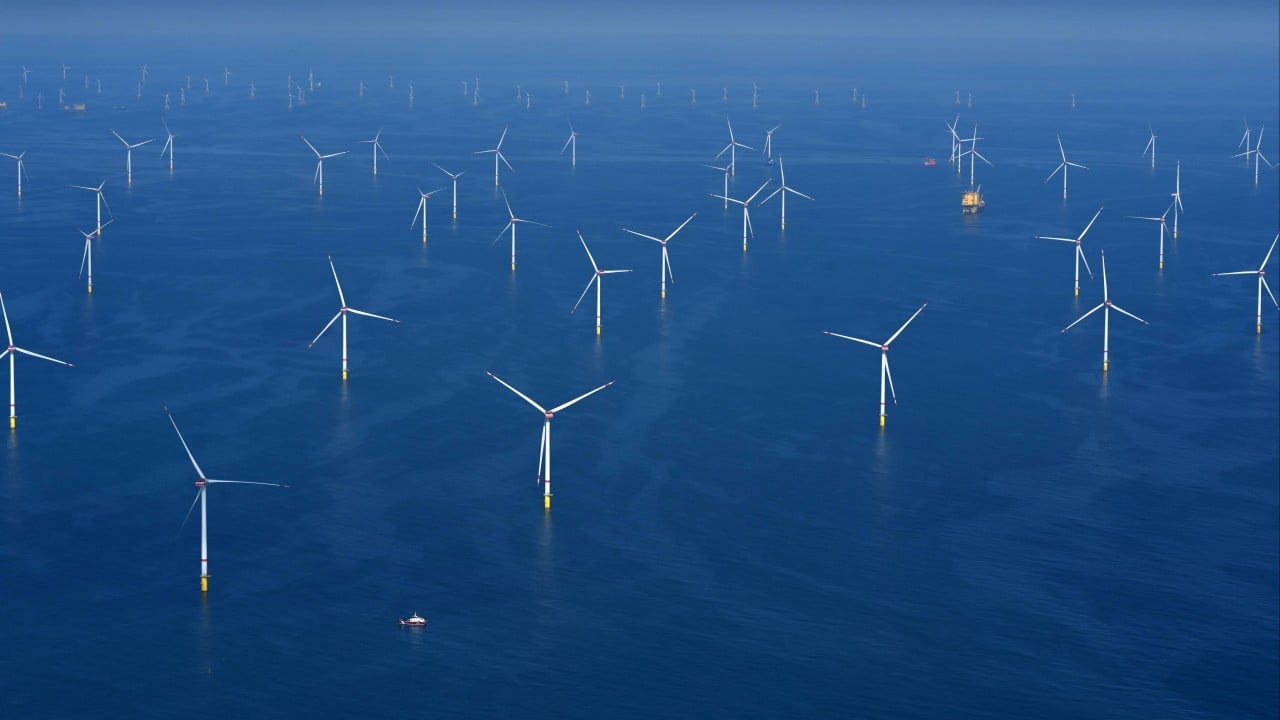
Germany is planning a significant overhaul of its renewable energy subsidy system, aiming to scale back support for new projects. This move comes as the country's power grid faces increasing strain due to the surge in solar energy output. According to a draft law released by the Economy Ministry on Friday, new renewable generators from 2027 onwards will receive support designed to benefit both the market and the power system. The proposed changes intend to incentivize projects that align more closely with electricity demand and avoid exacerbating grid congestion. This strategic shift signals a move away from previous fixed feed-in tariff models towards a more market-oriented and grid-conscious approach to renewable energy development.
Germany's proposed reduction in renewable energy subsidies reflects a common challenge in energy transition: balancing rapid growth with grid stability and market integration. The shift from fixed tariffs to market-responsive support mechanisms aims to incentivize efficiency and reduce the burden on the existing grid infrastructure. This policy adjustment acknowledges that while expanding renewable capacity is crucial, its integration requires sophisticated management to prevent system overload and ensure reliable power supply. The focus on demand-response and grid congestion mitigation suggests a maturing approach to renewable energy policy, recognizing that technological advancement must be coupled with robust grid modernization and intelligent market design to achieve sustainable energy goals over the next decade.
AI-generated to prompt reflection — not editorial opinion, not advice, not a statement of fact. How this works.