Germany to Reduce Subsidies for Climate-Friendly Heating Systems
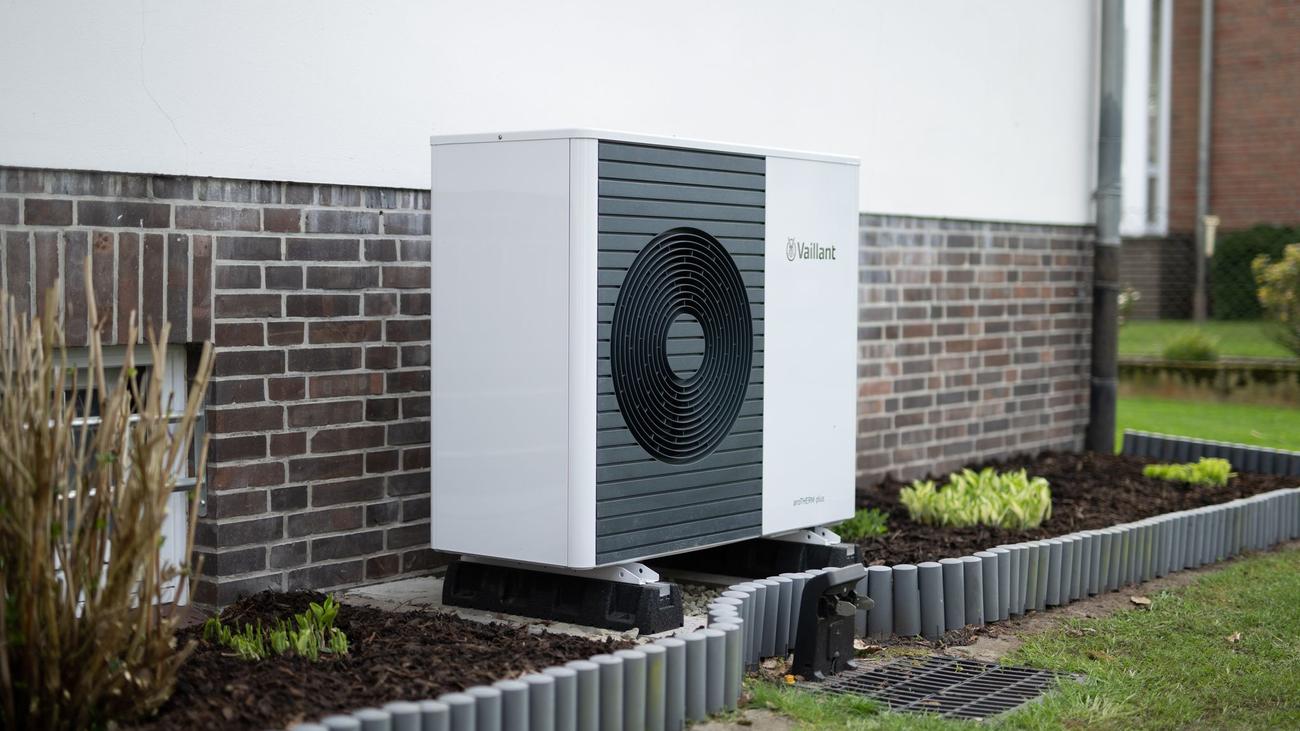
Germany is planning to significantly reduce state subsidies for climate-friendly heating systems. This decision comes as part of broader budget consolidation efforts within the German government. The move is expected to impact homeowners and businesses looking to transition to more sustainable heating solutions.
Originally, the government had pledged substantial financial support to encourage the adoption of technologies like heat pumps and solar thermal systems. These subsidies were intended to offset the higher upfront costs associated with these greener alternatives, making them more accessible to the general public. However, with the federal budget facing pressure, these funding streams are now being re-evaluated and scaled back.
The reduction in aid raises concerns about the pace of Germany's energy transition and its ability to meet its climate targets. Critics argue that decreased financial incentives could slow down the replacement of fossil fuel-based heating systems, potentially hindering progress towards climate neutrality.
The German government's decision to curtail subsidies for climate-friendly heating reflects a common tension between long-term climate policy goals and short-term fiscal realities. While the initial subsidies aimed to accelerate the adoption of greener technologies by addressing upfront cost barriers, budget constraints necessitate a recalibration of public spending. This shift may introduce market dynamics where the economic viability of these technologies becomes a more significant driver for adoption, potentially favoring solutions with lower immediate costs or those that can leverage private investment more effectively. The challenge lies in balancing the imperative to decarbonize the building sector with the need for fiscal prudence, ensuring that the transition remains equitable and does not disproportionately burden lower-income households or slow overall progress towards climate objectives.
AI-generated to prompt reflection — not editorial opinion, not advice, not a statement of fact. How this works.