Gholamhossein Mohseni Ejei Reappointed as Head of Iran's Judiciary
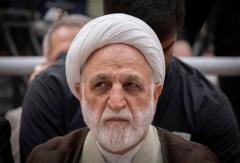
Gholamhossein Mohseni Ejei has been reappointed as the head of Iran's Judiciary for another five-year term. This reappointment is made by the Supreme Leader of the Islamic Republic. Mohseni Ejei first assumed the role of Judiciary Chief in July 2021, following a directive from Ayatollah Ali Khamenei. He succeeded Ebrahim Raisi, who was preparing to take office as the President of Iran at that time. Mohseni Ejei is noted as a former student of the Haqqani School. Shortly after the 1979 Iranian Revolution, he began his career in judicial and security roles, dedicating his entire working life to these positions. His reappointment signifies continuity in the leadership of Iran's judicial branch.
The reappointment of Gholamhossein Mohseni Ejei as head of Iran's Judiciary underscores the principle of continuity within the nation's judicial and security apparatus. This move, sanctioned by the Supreme Leader, suggests a strategic emphasis on maintaining established governance structures and personnel in key state institutions. From a systemic perspective, such appointments can reflect a preference for experienced individuals within the existing framework, potentially prioritizing stability and predictable policy implementation over significant institutional reform. The long tenure in judicial and security roles for figures like Mohseni Ejei highlights the deep integration of these functions within the Iranian state's operational model. Looking ahead, this continuity may present a challenge in adapting to evolving domestic and international expectations regarding judicial independence and human rights, particularly in the context of global technological and societal shifts.
AI-generated to prompt reflection — not editorial opinion, not advice, not a statement of fact. How this works.