Ghost Ships Transporting Russian Oil: Routes, Markets, and Sanctions' Limitations
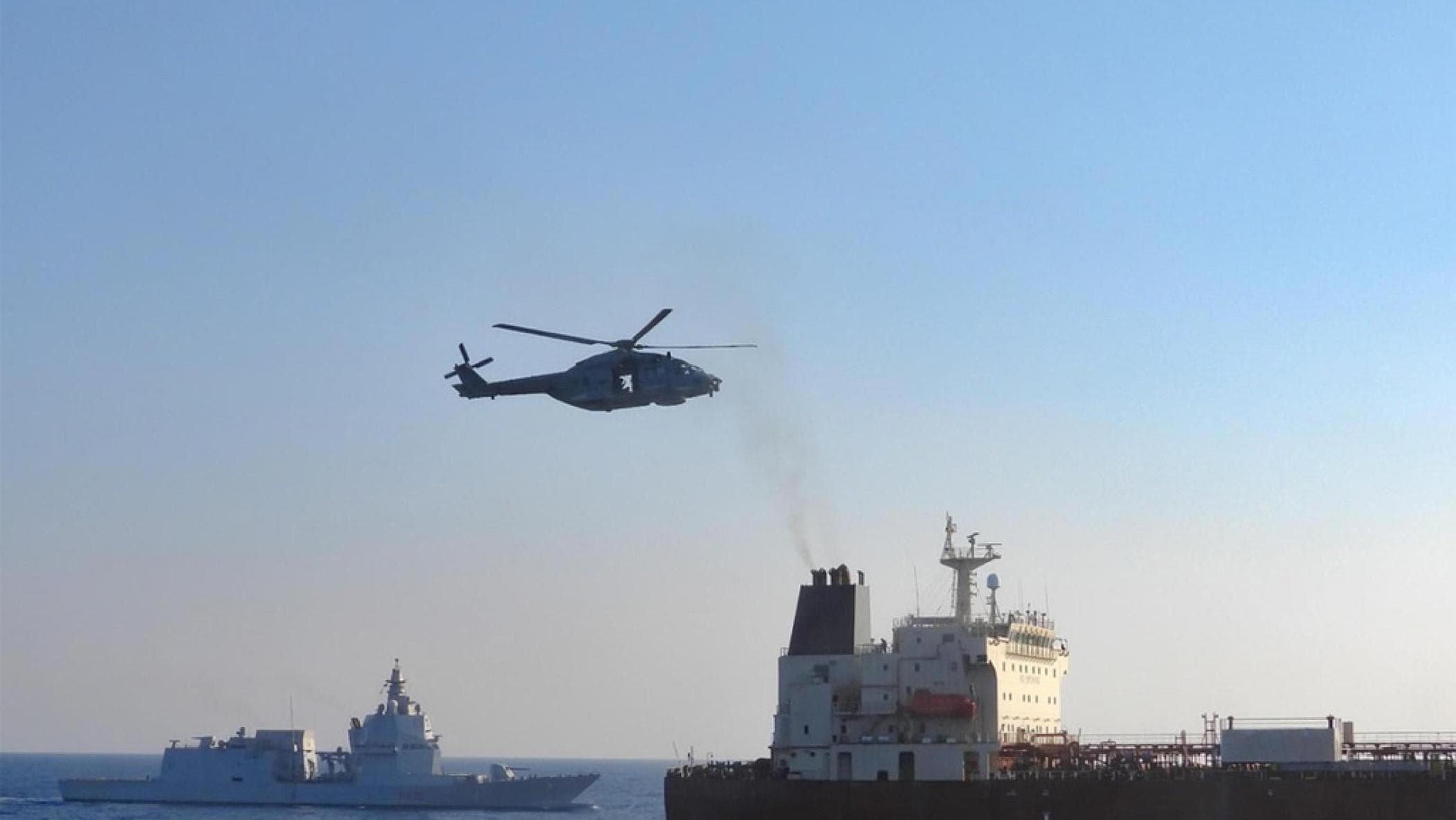
International analysts estimate that over 1,500 "ghost ships" are involved in transporting Russian oil. The European Union has specifically targeted 673 of these vessels. One such ship, the Toa Payoh, was recently boarded by the Italian Navy off the coast of Pantelleria. These vessels operate in a complex network of routes and markets, often employing deceptive practices to circumvent international sanctions. The effectiveness of current EU sanctions is being questioned due to the sheer volume of these ships and their ability to adapt to regulatory pressures. The situation highlights the challenges in enforcing global energy sanctions, particularly when dealing with a commodity as vital as oil and a significant global producer like Russia. The continued operation of these ghost fleets suggests that existing enforcement mechanisms may be insufficient to fully curb the trade of sanctioned Russian oil.
The proliferation of "ghost ships" engaged in transporting Russian oil underscores the intricate challenges of enforcing international sanctions in the global energy market. These vessels, operating outside traditional regulatory frameworks, exploit loopholes and employ sophisticated methods to circumvent restrictions. The situation reveals a dynamic interplay between market incentives, geopolitical pressures, and the adaptability of maritime trade networks. While sanctions aim to curtail revenue streams, the persistence of such operations suggests that economic realities and the demand for energy can create powerful counter-pressures. Future strategies may need to address not only vessel identification and tracking but also the underlying market demand and the financial mechanisms supporting these trade routes to achieve greater effectiveness.
AI-generated to prompt reflection — not editorial opinion, not advice, not a statement of fact. How this works.