Gianni Infantino's World Cup Under Scrutiny Amidst 'Red Card' Scandal
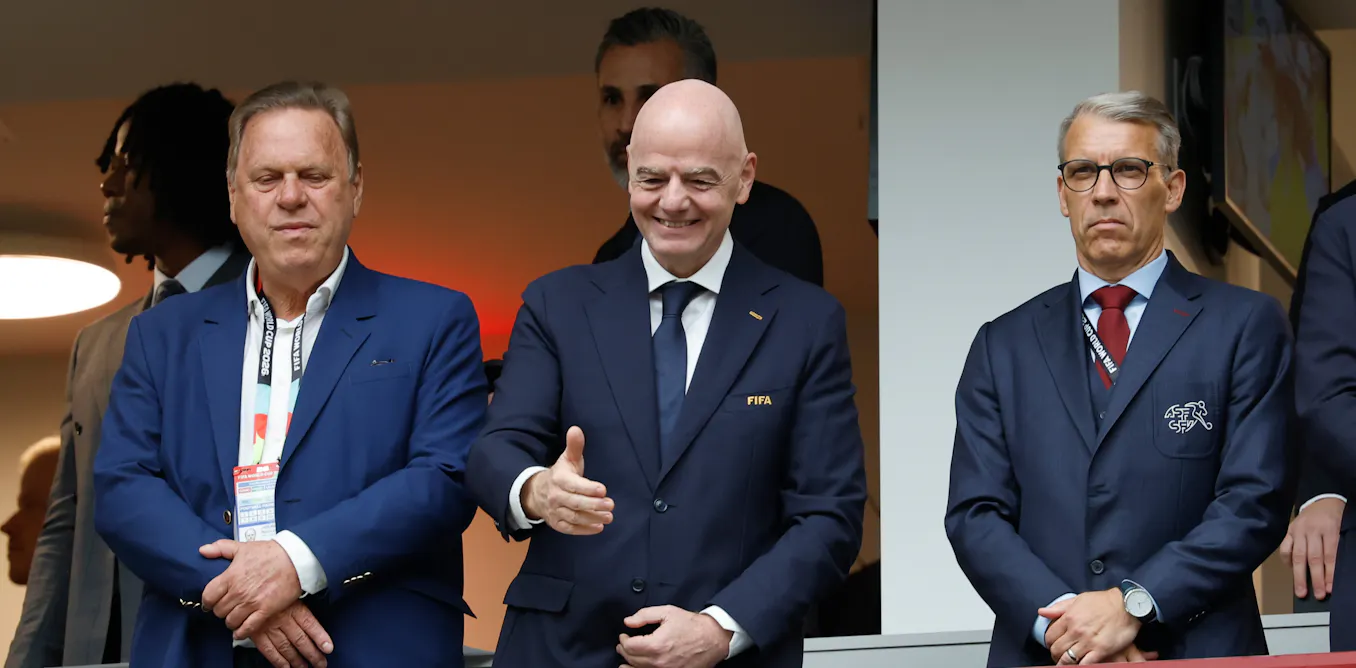
The leadership of Gianni Infantino, president of FIFA, is facing increased scrutiny following a 'red card' scandal. Infantino's global football governance model is heavily reliant on financial resources and political influence. As these elements become more concentrated under his administration, the avenues for challenging his authority appear to be diminishing. This concentration of power raises questions about the future direction and accountability within international football's governing body. The scandal has brought to the forefront concerns about transparency and ethical conduct in the sport's highest echelons. Observers note that the increasing financial stakes in global football amplify the potential for conflicts of interest and the erosion of fair play. The current structure, while enabling significant revenue generation, may also be creating an environment where dissent is suppressed. This situation prompts a broader discussion on the balance of power within sports organizations and the mechanisms for ensuring robust oversight. The long-term implications for the integrity of the sport remain a significant point of concern for stakeholders worldwide.
The concentration of financial and political power within FIFA under Gianni Infantino's presidency presents a complex governance challenge. While such centralization can drive ambitious projects and revenue growth, it also risks diminishing internal checks and balances, potentially limiting accountability. The 'red card' scandal highlights the critical need for robust oversight mechanisms to ensure ethical conduct and transparency, especially as the sport's economic footprint expands. Future governance structures will likely need to balance centralized decision-making with distributed accountability to foster long-term trust and sustainability in global football.
AI-generated to prompt reflection — not editorial opinion, not advice, not a statement of fact. How this works.