Giant Hailstones, Some Palm-Sized, Batter Towns in Southern Brazil
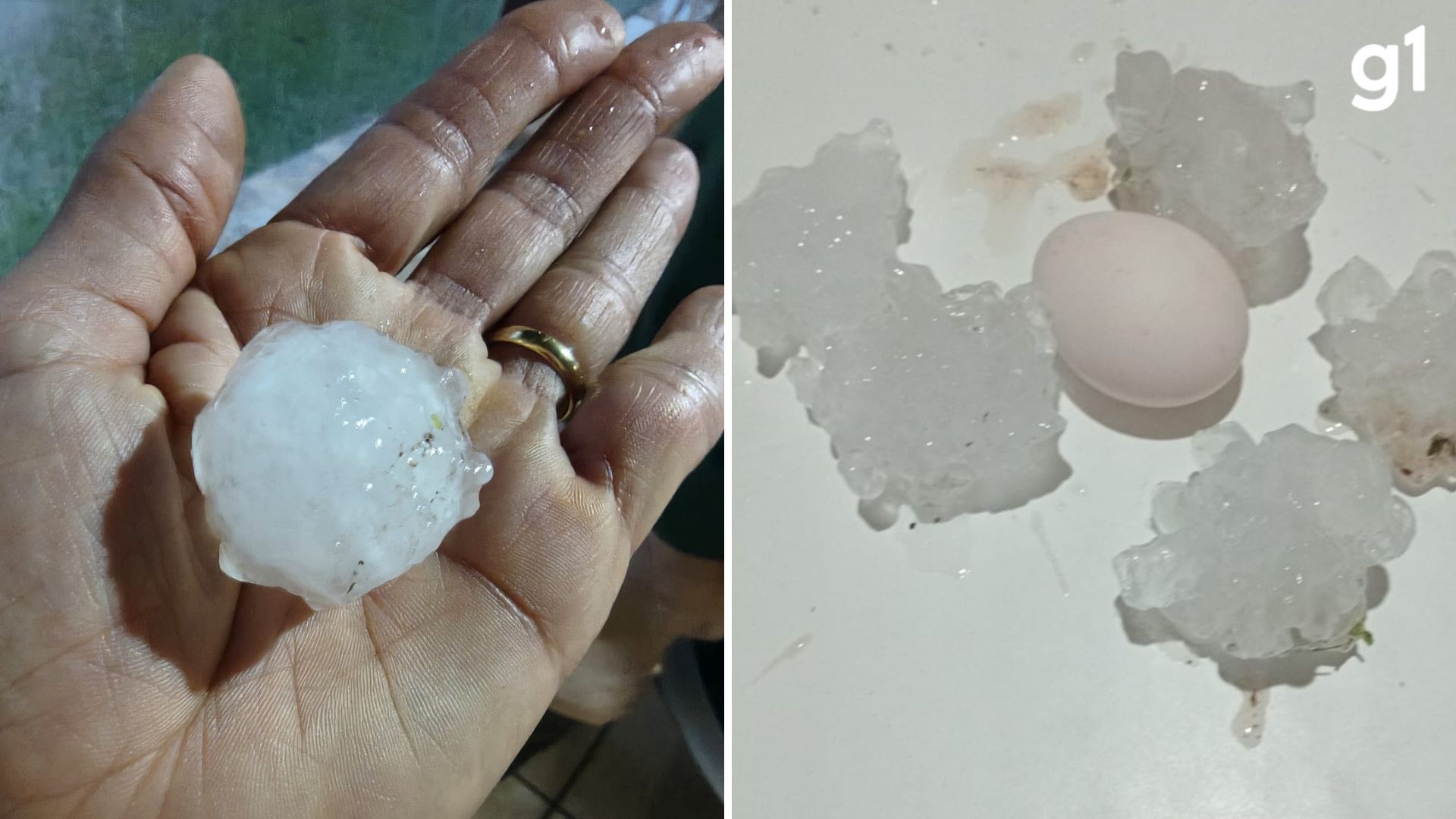
On Tuesday morning, May 21st, several towns in Rio Grande do Sul, Brazil, experienced significant hailstorms, with hailstones reportedly as large as a person's palm. Images circulating show residents comparing the ice chunks to chicken eggs to illustrate their size. The severe weather primarily affected the municipalities of Vale do Sol and Rio Pardo, located in the Região dos Vales. Weather forecasts indicated that Tuesday would be characterized by intense rainfall and a risk of severe storms across much of the state. Since the weekend, these weather events have caused damage in 49 cities, leaving 19 people displaced. The most vulnerable areas for these storms include the Northwest, North, Planalto, and Serra regions, as well as northern parts of the Metropolitan Region of Porto Alegre. These storms could bring lightning and wind gusts up to 80 km/h. The highest rainfall volumes are anticipated near the Argentine border and the Erechim region, with isolated areas potentially receiving up to 100 millimeters of rain, increasing the risk of floods and flash floods. On Wednesday, May 22nd, the cold front is expected to move into Santa Catarina, Paraná, and Mato Grosso do Sul. Despite this system's departure, atmospheric conditions will remain conducive to scattered showers throughout Rio Grande do Sul, particularly in the Northwest, North, and Serra regions, where heavy rain could cause further significant accumulation. The Campanha and Zona Sul regions may experience more irregular and localized rainfall. A more substantial weather shift is forecast for Thursday, May 23rd, with the arrival of a high-pressure system and polar air mass expected to bring stable conditions back to most of Rio Grande do Sul.
This event highlights the increasing frequency and intensity of extreme weather phenomena, likely influenced by broader climate shifts. The significant size of the hailstones and the widespread impact across multiple municipalities underscore the vulnerability of communities to severe convective storms. While immediate relief and recovery efforts are crucial for the affected populations, this incident also prompts a systemic review of urban planning and infrastructure resilience in regions prone to such events. Future considerations should include enhanced early warning systems, updated building codes to withstand extreme hail, and land-use policies that mitigate flood risks associated with intense rainfall. Understanding the interplay between localized atmospheric conditions and global climate patterns is essential for developing long-term adaptation strategies and ensuring community safety in the face of escalating climate volatility.
AI-generated to prompt reflection — not editorial opinion, not advice, not a statement of fact. How this works.