Giant Kangaroos on New Guinea Coast Survived Until 6,500 Years Ago, Study Finds
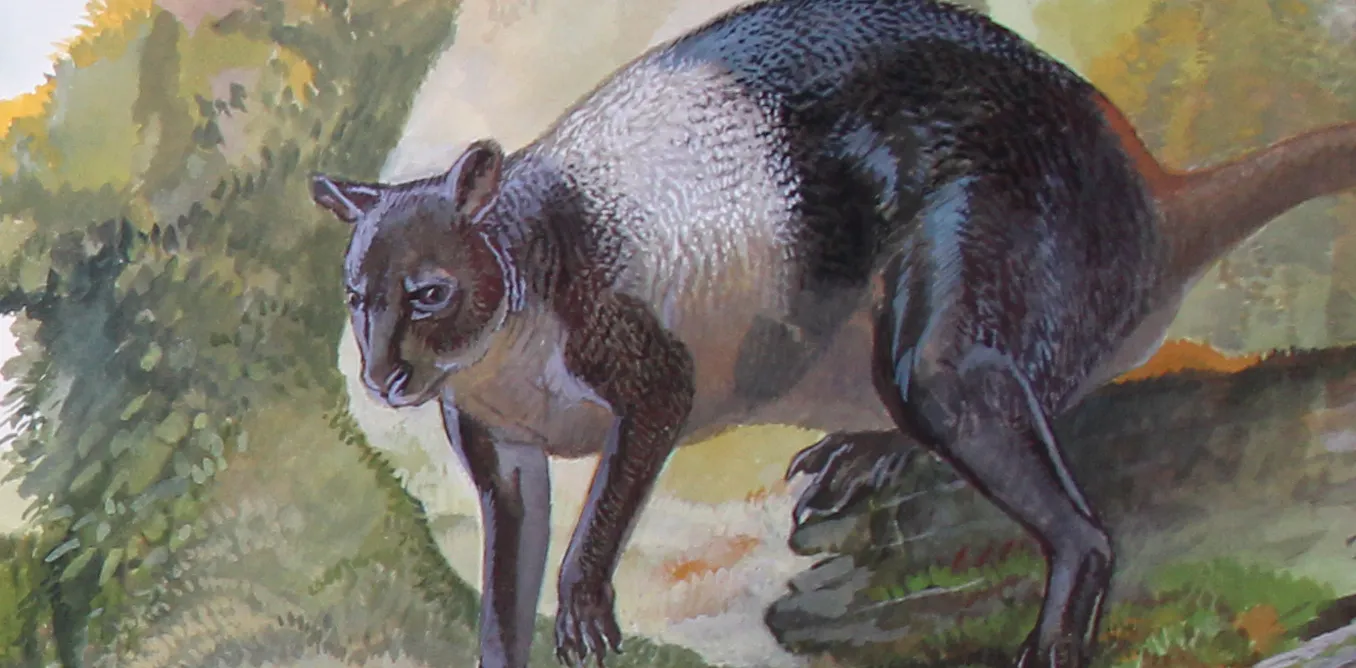
A recent study has revealed that giant kangaroos inhabited the coast of New Guinea and persisted until approximately 6,500 years ago. This discovery challenges long-held assumptions regarding the extinction of megafauna. Previously, it was widely believed that these large marsupials had disappeared much earlier, with their extinction often attributed to climate change or human hunting pressures that occurred thousands of years prior. The findings suggest that these megafauna coexisted with humans for a significantly longer period than previously understood. The research involved analyzing fossil evidence and dating techniques to pinpoint the survival timeline of these ancient creatures. This extended survival period on the New Guinea coast implies that the factors leading to the eventual extinction of megafauna may be more complex and varied than initially theorized. The study opens new avenues for understanding the ecological dynamics and human-environment interactions of the late Pleistocene and early Holocene epochs in this region. Further research is anticipated to explore the specific reasons for their eventual demise and the broader implications for megafauna extinctions globally.
This study revises the timeline for megafauna survival in New Guinea, suggesting a later extinction date than previously accepted. The extended coexistence of giant kangaroos with human populations challenges simplistic extinction models that rely solely on early human impact or abrupt climate shifts. This revised chronology necessitates a re-evaluation of the interplay between environmental factors, human activity, and the resilience or vulnerability of large species over extended periods. Future research could explore whether localized environmental conditions on the New Guinea coast provided a refuge, or if human interaction patterns differed significantly from mainland Australia, allowing for prolonged survival. Understanding these dynamics could offer insights into conservation strategies for large fauna facing contemporary environmental pressures.
AI-generated to prompt reflection — not editorial opinion, not advice, not a statement of fact. How this works.