Giant 'Ox-Mooing' Invasive Bullfrog Threatens Wildlife in Florianópolis, Brazil
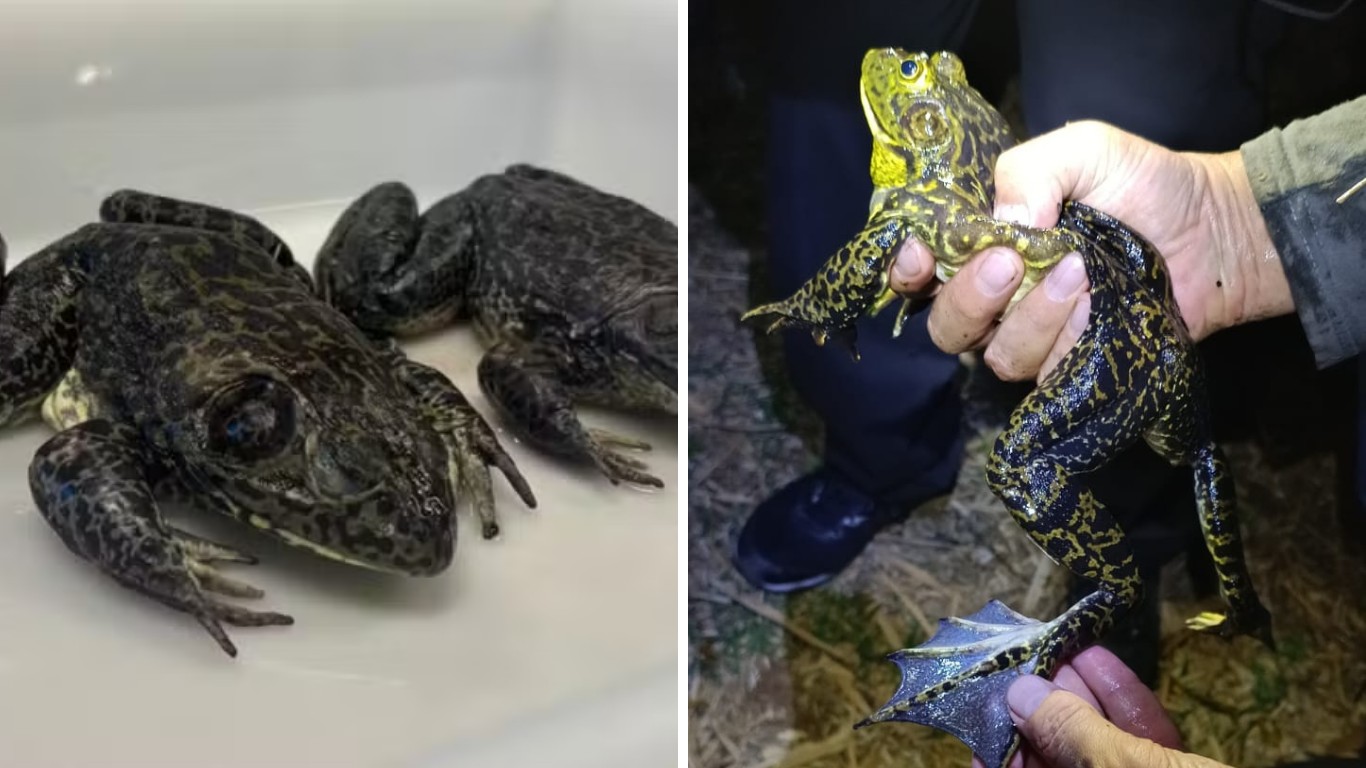
Florianópolis, Brazil, is mobilizing researchers and a task force to monitor new potential sightings of the invasive bullfrog (Aquarana catesbeiana). This exotic species, which emits a sound described as similar to an ox's moo, poses a significant threat to local fauna. The Municipal Environment Foundation (Floram) is now tracking the amphibian after it was identified in the Ratones neighborhood. The bullfrog is classified as Category 1, the highest alert level for invasive species in Santa Catarina, guiding management efforts in the state. Captured specimens will undergo analyses, including testing for ranavirus and chytridiomycosis. The bullfrog was first seen in Florianópolis in October 2025, with the last official record in March of this year. The species, native to North America, arrived in Brazil in the 1930s for commercial farming but escaped into the wild, becoming a major ecological concern. Adults can weigh up to 1.5 kilograms and measure nearly 20 centimeters, acting as voracious predators and competitors that consume insects, fish, reptiles, birds, and small mammals, potentially disrupting local food chains. They are also known carriers of diseases affecting amphibians and fish, such as chytrid fungus and ranavirus. Florianópolis is engaging the public through environmental education initiatives with the Federal University of Santa Catarina (UFSC) to map the species. Residents are encouraged to report sightings or the distinctive sound to Floram via email or WhatsApp, with a warning against attempting to manage the animals independently.
The re-emergence of the invasive bullfrog in Florianópolis highlights a recurring challenge in biodiversity management: the unintended consequences of species introduction for commercial purposes. The bullfrog's escape from aquaculture facilities, a pattern observed globally, underscores the critical need for robust containment protocols and regulatory oversight in the agricultural sector. Its voracious predatory behavior and disease-carrying capacity present a complex ecological dilemma, demanding a multi-faceted response that balances eradication efforts with the potential for unintended impacts on native ecosystems. Future strategies should consider the long-term implications of such introductions, emphasizing preventative measures and adaptive management frameworks that account for species' resilience and spread dynamics in a changing climate.
AI-generated to prompt reflection — not editorial opinion, not advice, not a statement of fact. How this works.