Giant Pumpkins Weighing Up to 100kg Harvested in Rio Verde, Goiás
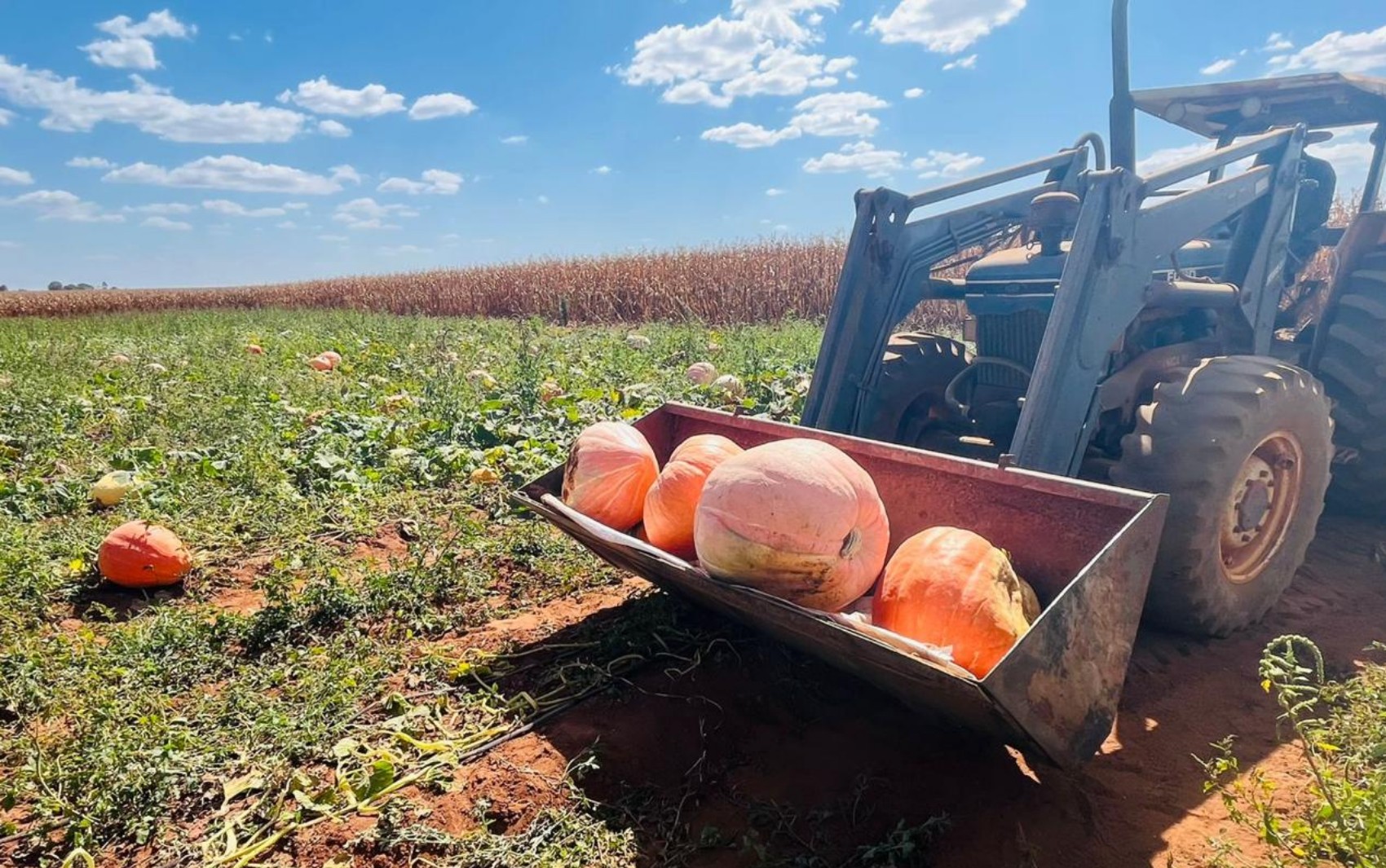
Rio Verde, in the southwest of Goiás, Brazil, began harvesting giant pumpkins weighing up to 100 kilograms on Friday, May 24th. The municipality anticipates collecting approximately 500 tons of these impressive gourds, which will be used to decorate the city's 178th-anniversary celebrations. This tradition, deeply rooted in the city's identity, dates back to the 19th century. In 1870, soldiers returning from the Paraguayan War discovered the pumpkins as a food source in the region, an event documented by writer Visconde de Taunay, leading to Rio Verde's nickname, "Rio Verde of the Pumpkins."
Camila Caixeta, an agricultural engineer with the Municipal Secretariat of Agriculture, oversees the cultivation. This year, five pumpkin varieties were planted: two American types, 'Atlantic Giant' and 'Mammoth,' and three Brazilian varieties, including the new 'Brasileirinha,' known for its green and yellow colors. These giant pumpkins, though the same species as common ones, require specialized management, including intensive fertilization, nutrition, hormone application, biological control, and consistent irrigation for about 120 days, three times a week, to reach their full potential. The crop spans approximately 6 hectares, with expectations to surpass last year's production, where the largest pumpkin weighed 92 kilograms. The early end to the rainy season necessitated an earlier start to irrigation, posing additional cultivation challenges. The harvest is expected to yield over 10,000 pumpkins, totaling around 500 tons, equivalent to about 60 truckloads.
The cultivation of giant pumpkins in Rio Verde highlights a unique intersection of agricultural practice, local heritage, and civic celebration. The specialized horticultural techniques employed demonstrate how genetic potential can be maximized through dedicated management, offering insights into crop enhancement strategies. The tradition's historical roots, tied to post-war sustenance and literary recognition, underscore the power of local narratives in shaping community identity and economic activity. The municipal government's investment in these pumpkins for public decoration suggests a strategic approach to cultural tourism and community engagement, leveraging agricultural novelty to foster civic pride and potentially attract visitors. This practice also implicitly raises questions about resource allocation within municipal budgets, balancing aesthetic and cultural initiatives with other public service needs. The reliance on intensive irrigation, especially in the context of potentially changing rainfall patterns, points to the growing importance of water management strategies in agricultural planning for resilience.
AI-generated to prompt reflection — not editorial opinion, not advice, not a statement of fact. How this works.