Giant Tree's Branches Invade Belém Apartments, Sparking Fire Fears and Resident Concern
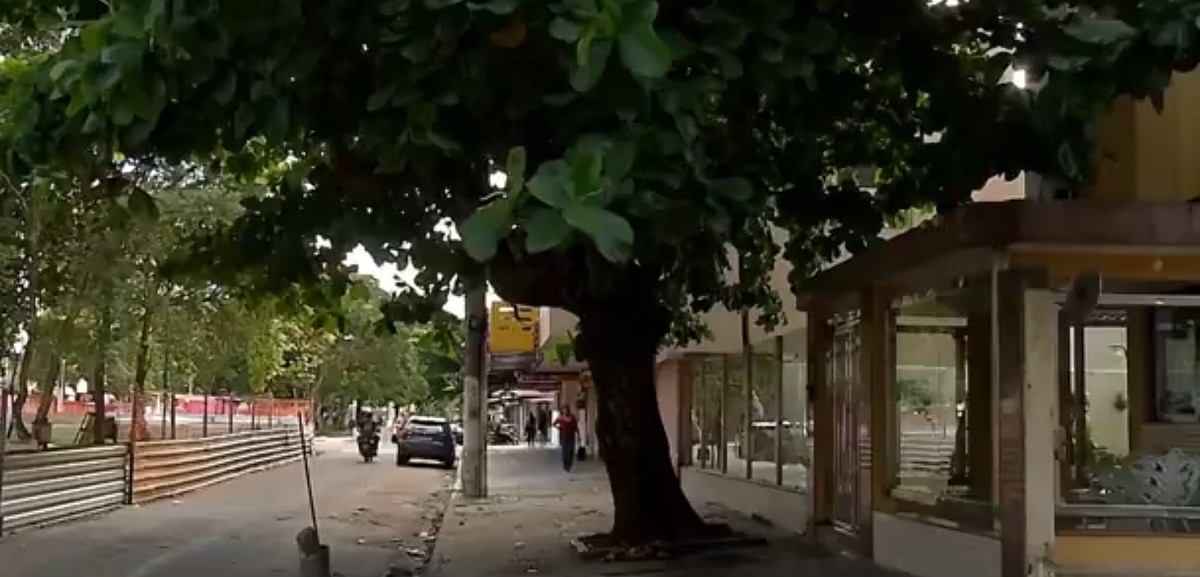
A large castanhola tree in Belém's Marco neighborhood has grown to the point where its branches are encroaching upon apartments in a building on Avenida Rômulo Maiorana. This overgrowth is a significant concern for residents, as the branches are touching electrical wiring, posing a safety hazard. The issue has been formally reported to authorities since 2025, but no action has been taken for over a year. The proximity of the tree's canopy to high-voltage wires has already caused a short circuit, leading to sparks and a small fire that required intervention from the Fire Department. Residents like Geraldo Rocha Cavaleiro de Macedo Pereira Filho express fear of the wiring breaking or causing further electrical issues. The building's manager, Regina Vasconcelos, recounted the panic during the recent incident, emphasizing the need for swift action. Beyond the electrical risks, the tree's trunk shows signs of severe wear and appears hollow, raising concerns about its stability and the potential for it to fall. The invasion of branches into apartments has also led to hygiene problems, with residents reporting the presence of bats, insects, and other wildlife indoors. The persistent danger and lack of resolution have impacted the local real estate market, with at least one apartment being put up for sale due to the ongoing risks.
This situation highlights a common urban challenge where natural growth intersects with built infrastructure, creating safety and habitability issues. The prolonged inaction by municipal authorities, despite formal complaints and documented hazards including fire and structural concerns, suggests potential systemic inefficiencies in urban maintenance and emergency response. The incident underscores the importance of proactive tree management policies in densely populated areas to mitigate risks associated with aging infrastructure and natural elements. Future urban planning must integrate robust systems for assessing and addressing such conflicts, balancing ecological presence with public safety and property integrity to prevent recurrence and ensure resident well-being.
AI-generated to prompt reflection — not editorial opinion, not advice, not a statement of fact. How this works.