Gilgit-Baltistan CM Amjad Hussain Appoints 12 Ministers, Including PPP and IPP Members
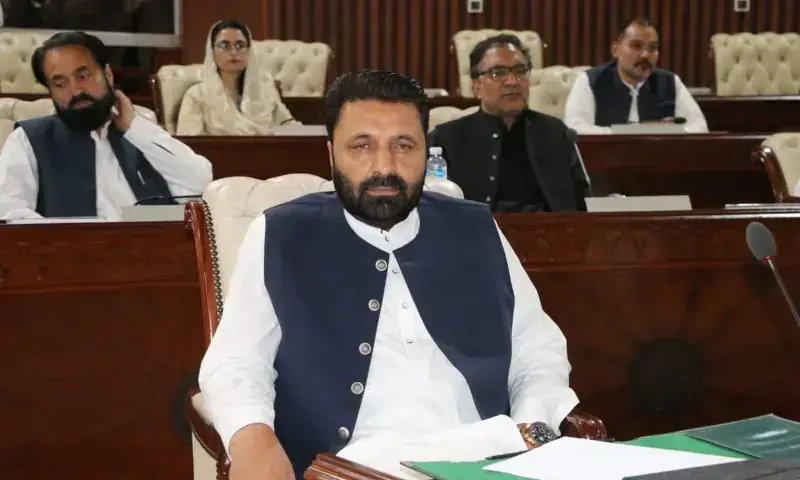
Gilgit-Baltistan's newly sworn-in Chief Minister Amjad Hussain has appointed 12 individuals to his cabinet as ministers, as announced on Wednesday. The cabinet appointments include eight members from Hussain's Pakistan Peoples Party (PPP) and four from the Istehkam-i-Pakistan Party (IPP). The notification, issued by the Services and General Administration Department and Cabinet Department, confirms these appointments based on the Chief Minister's advice to the GB Governor. The appointed ministers are Zulfiqar Ali Murad, Syed Jalal Shah, Muhammad Ali Akhtar, Naiknam Karim, Iqbal Hassan, Raja Nasir Khan, Muhammad Naseem, and Syed Tauqeer Mehdi, all from the PPP. From the IPP, the appointed ministers are Aman Ali, Asad Shafiq, Anwar Ali, and Muhammad Dilpazeer. The notification does not specify the portfolios assigned to these new ministers. Notably, the four IPP members had initially run as independent candidates in the Gilgit-Baltistan Assembly elections on June 7 before joining their current party. The current Gilgit-Baltistan Assembly composition consists of 14 PPP members, nine PML-N members, seven IPP members, one from Majlis Wahdat-i-Muslimeen, and one PTI-backed independent. A by-election is pending for the GBA-9 Skardu-III seat following the disqualification of a PPP candidate for asset concealment. The PML-N and IPP had previously agreed to support the PPP in leadership elections, with the PML-N opting to sit in opposition.
The formation of the Gilgit-Baltistan cabinet reflects typical coalition-building dynamics in regional politics, where party affiliations and electoral alliances shape government composition. The inclusion of members from the Istehkam-i-Pakistan Party (IPP), who initially ran as independents, highlights the fluidity of political alignments and the strategic importance of securing broader support for governance. The pending by-election and the PML-N's decision to sit in opposition suggest that the political landscape remains subject to ongoing negotiation and potential shifts. Future governance will likely depend on the ability of Chief Minister Amjad Hussain to manage these diverse interests and maintain coalition stability, particularly as the region navigates its development and administrative challenges in the coming years.
AI-generated to prompt reflection — not editorial opinion, not advice, not a statement of fact. How this works.