Gilgit-Baltistan Faces Extended Isolation as Floods and Glacial Melts Worsen
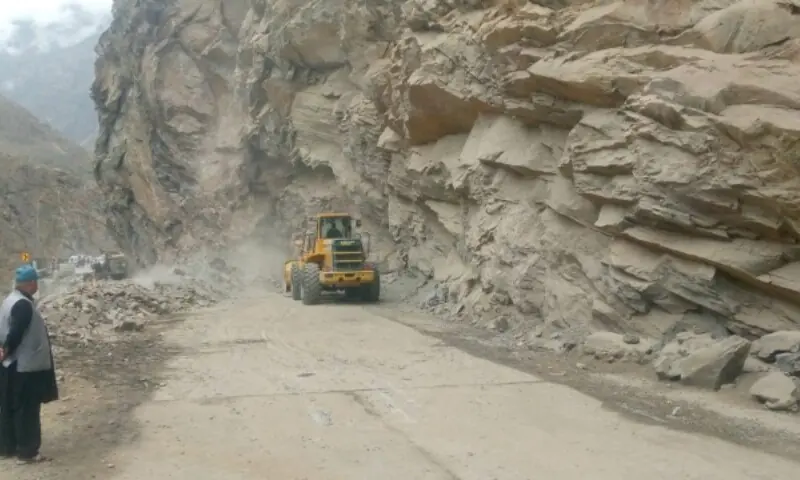
Gilgit-Baltistan (GB) has been experiencing significant disruptions for four consecutive days due to flash floods and glacial lake outburst floods (Glofs), exacerbated by rapid glacier melting. These events have damaged highways, cut off access to numerous areas, and impeded restoration efforts. The unusually high temperatures recorded between July 18 and July 21 have accelerated glacier melt, leading to a surge in Glof incidents and complicating relief operations. While major routes like the Karakoram Highway and Baltistan Road have been partially reopened, several other key roads, including Astore Valley Road and Naltar Highway, remain blocked. Thousands of residents and tourists are stranded, facing shortages of essential services such as drinking water, electricity, and communication. In Nagar district, Hisper Valley has been disconnected for nearly two months due to severe damage to its sole access road, with approximately 1,100 feet of the road washed away at two locations. Residents are experiencing severe hardships, with shortages of food and medicines worsening. The Pakistan Meteorological Department forecasts further rain and thunderstorms until July 28, raising concerns about potential landslides and additional flooding. Internet and mobile services are also suspended in many areas. In response, GB Chief Minister Amjad Hussain has ordered the deployment of helicopters for rescue and relief in isolated regions and directed officials to expedite the restoration of the Baltistan Road and prepare an alternative route.
The recurring and intensifying Glof events in Gilgit-Baltistan highlight the profound impact of climate change on vulnerable high-altitude regions. Accelerated glacier melt, driven by rising global temperatures, creates a direct threat to critical infrastructure like roads, disrupting supply chains and isolating communities. This situation underscores a systemic challenge: the increasing frequency of extreme weather events outpaces the capacity for infrastructure repair and disaster response, particularly in remote and geographically challenging areas. The reliance on traditional road networks becomes a critical vulnerability when faced with the unpredictable forces of nature amplified by climate change. Future planning must consider more resilient infrastructure, advanced early warning systems for Glofs, and potentially diversified transportation solutions to mitigate the long-term risks to connectivity and essential services in regions like GB.
AI-generated to prompt reflection — not editorial opinion, not advice, not a statement of fact. How this works.