Ginecologista Solto Após Audiência de Custódia em Salvador
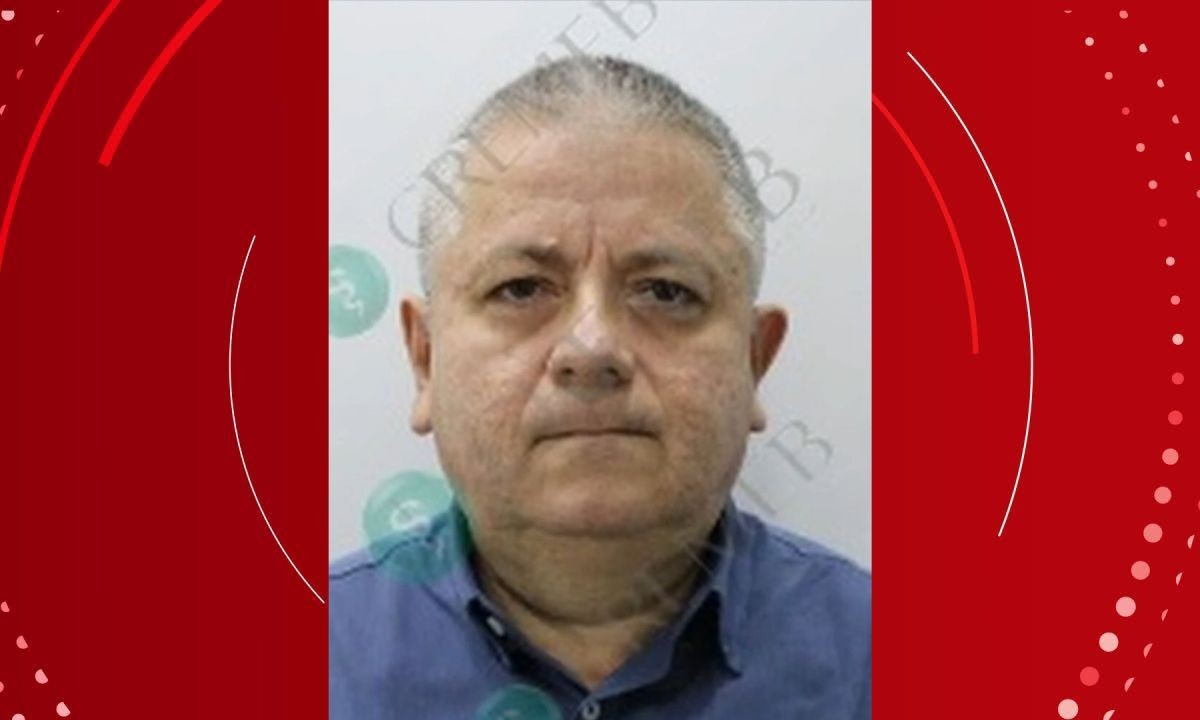
A gynecologist, Hosaná Pereira de Santana, arrested on Friday, October 10th, in Salvador, Bahia, has been released from custody following a court hearing. He was suspected of using camera-equipped glasses to film a patient during a consultation at a private clinic in the Vila Laura neighborhood. The decision to release him was made during a custody hearing on Sunday, October 12th, by the Tribunal de Justiça da Bahia (TJ-BA). The court deemed the initial arrest unlawful, citing that the alleged crime, with a maximum penalty of one year's detention, is of minor potential offense. Typically, such cases result in a Termo Circunstanciado de Ocorrência (TCO) rather than immediate arrest. The judge also noted a lack of concrete evidence of the crime at that stage, as searches of the doctor's devices, including cloud storage and deleted files, did not yield any incriminating photos or videos. The suspicion arose from the patient's observation of the glasses during the exam, but the court stated that liberty restriction requires minimal evidentiary support. The release does not halt the investigation, which may continue if new evidence emerges. The doctor's family maintains his innocence, asserting that the smart glasses have prescription lenses, require manual activation for recording, and emit a visible light signal. They claim the doctor voluntarily surrendered his devices and passwords, and no relevant recordings were found. The family intends to seek accountability for what they consider undue accusations. The case, initially reported by the patient who suspected she was being filmed, is being investigated by the Civil Police and the Regional Council of Medicine of the State of Bahia (Cremeb) has initiated a fact-finding inquiry.
The legal system's response highlights the critical distinction between suspicion and concrete evidence, particularly concerning privacy violations. The judicial decision to release the gynecologist underscores the principle that probable cause for arrest must be robust, especially for offenses with minor potential penalties. This case prompts reflection on the technological advancements in personal devices and their potential for misuse in professional settings, necessitating clear protocols and ethical guidelines. It also raises questions about the burden of proof in cases where digital evidence is central, and the importance of thorough forensic examination before imposing restrictive measures. The ongoing investigation will determine whether the patient's perception, combined with the presence of recording technology, constitutes sufficient grounds for further legal action, balancing patient rights with due process for the accused.
AI-generated to prompt reflection — not editorial opinion, not advice, not a statement of fact. How this works.