Girl, 12, Survives 32 Hours Trapped Under Debris After Venezuela Earthquakes
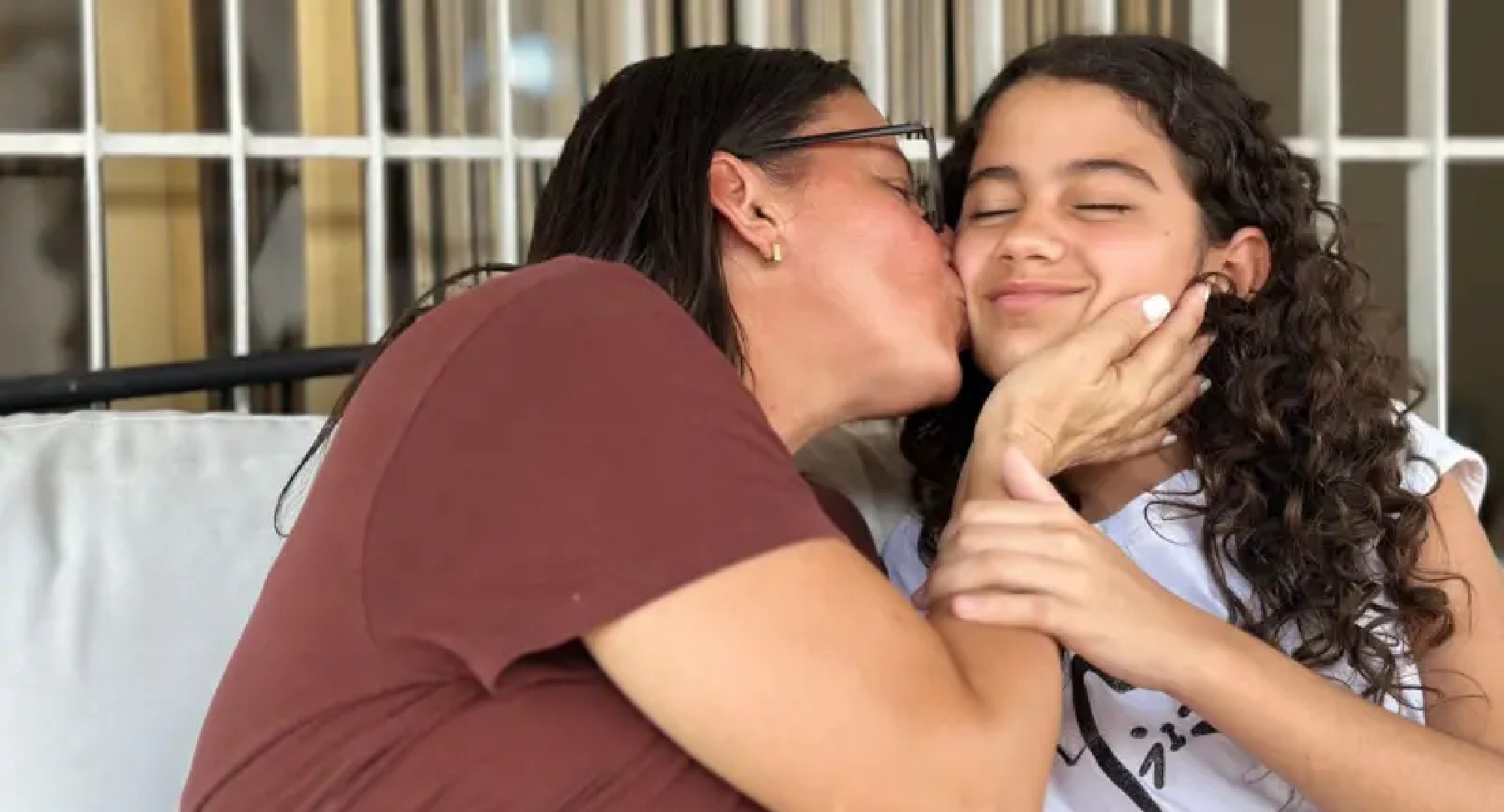
A 12-year-old girl named Fabiana miraculously survived for 32 hours trapped in the rubble of her collapsed apartment building in La Guaira, Venezuela, following powerful earthquakes on June 24. Her mother, Karina, a spinning instructor, was teaching a class when the tremors began and rushed home to find their 10-story building reduced to rubble. Fabiana was in her mother's room when the second, magnitude 7.5 earthquake struck, causing walls to collapse and throwing her to the floor. Despite initial terror and claustrophobia, she found a strange calm and was eventually heard by a nurse who had been caring for upstairs neighbors. The nurse alerted volunteers about Fabiana's survival, giving Karina renewed hope after she had begun to despair. Trapped with limited sustenance, Fabiana survived on ketchup and grated cheese she found in the debris while awaiting rescue. Multiple attempts by firefighters were unsuccessful, but a volunteer named Viktor provided crucial emotional support by repeatedly calling out to her. Ultimately, after 32 hours, a rescue team, aided by the headlights of numerous vehicles, managed to create an opening and extract Fabiana. She sustained a fractured left foot and minor injuries. The earthquakes tragically claimed at least 3,342 lives, with tens of thousands missing. Fabiana, now living with her grandmother, is recovering but carries the emotional scars of the ordeal and the loss of neighbors and friends.
This event highlights the critical role of civilian volunteers and persistent rescue efforts in disaster scenarios where official response may be delayed or insufficient. The young survivor's resilience, sustained by minimal resources and psychological fortitude, underscores the human capacity to endure extreme circumstances. The incident also points to the importance of robust building codes and infrastructure resilience in earthquake-prone regions, especially given the significant loss of life and the destruction of residential buildings. Future considerations should involve enhancing community preparedness, improving rapid assessment protocols for structural integrity, and ensuring continuous communication lines during emergencies to facilitate more efficient and timely rescue operations.
AI-generated to prompt reflection — not editorial opinion, not advice, not a statement of fact. How this works.