Girl, 3, Dies in Guarujá Fire; Family Claims Water Shortage Hindered Rescue
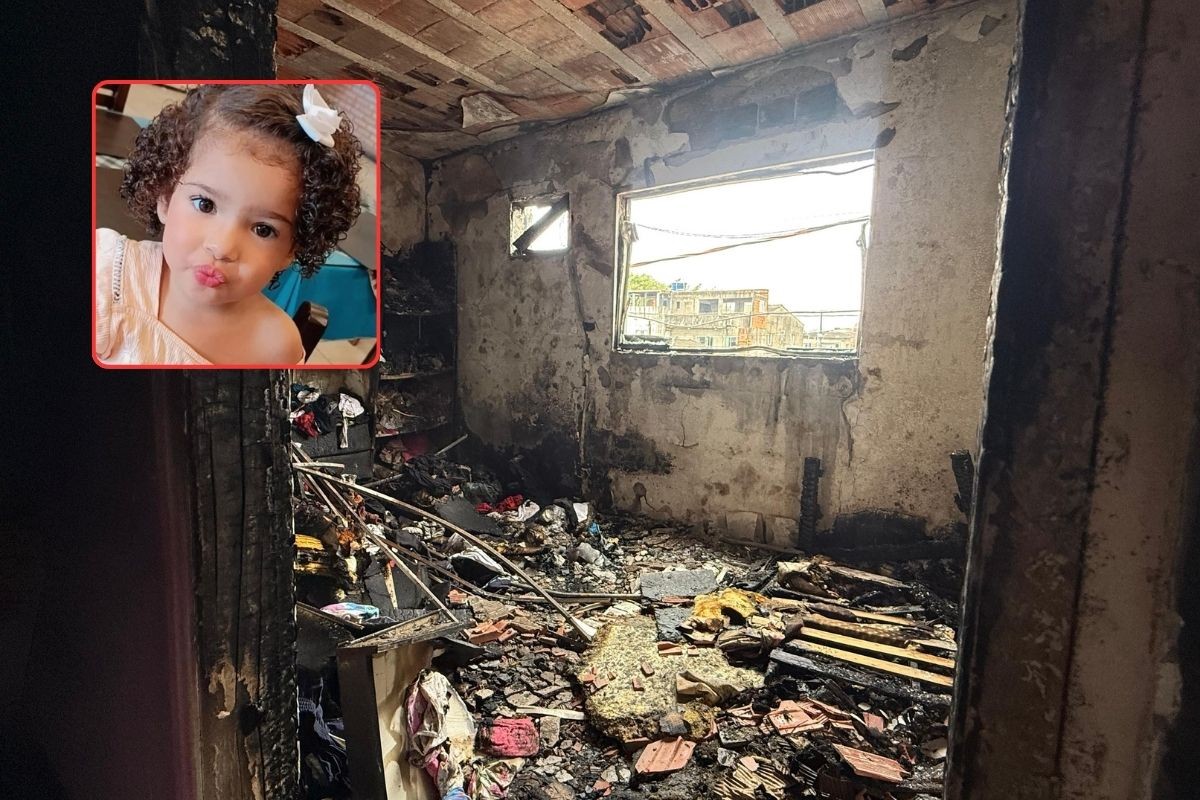
A three-year-old girl, identified as Alicia Mandu, tragically died after a fire engulfed her home in the Paecará neighborhood of Guarujá, São Paulo, on Sunday night, August 2nd. Residents attempted to control the blaze using domestic water buckets, as they claim a persistent water shortage in the area severely hampered their efforts. According to Alicia's cousin, Flávia Santana, the community's struggle to carry water up to the house delayed extinguishing the fire, lamenting that "not a drop of water" was available on the upper floor. The fire, which started on the upper level of a building housing commercial establishments below, is suspected by Santana to be linked to electrical issues possibly caused by a fallen tree days prior, leading to flickering lights in the residence. The Fire Department confirmed dispatching five units and eleven firefighters, but by their arrival, residents had already extinguished the flames. Their subsequent actions involved cooling and clearing the site. Sabesp, the water supply company, stated they have no records of water shortages in the affected area and affirmed their commitment to supporting firefighting efforts. The victim's seven-year-old sister escaped with burns on her feet and received medical attention. The Guarujá City Hall has placed the residence under preventive interdiction, with a municipal engineer scheduled for a structural damage assessment after 72 hours.
This incident highlights a critical intersection of infrastructure reliability and emergency response. The family's account of water scarcity directly contrasts with Sabesp's official statement, suggesting a potential gap in communication or data reporting regarding localized service disruptions. Such discrepancies can have life-or-death consequences, underscoring the need for robust, real-time monitoring systems for essential services like water supply, especially in densely populated areas. Looking ahead, the increasing frequency of extreme weather events and urban development may exacerbate existing infrastructure vulnerabilities, necessitating proactive investment in resilient systems and transparent public information channels to ensure community safety and effective emergency preparedness.
AI-generated to prompt reflection — not editorial opinion, not advice, not a statement of fact. How this works.
