Girl, 3, whose AI-manipulated image was used in fake fundraisers dies in Brazil
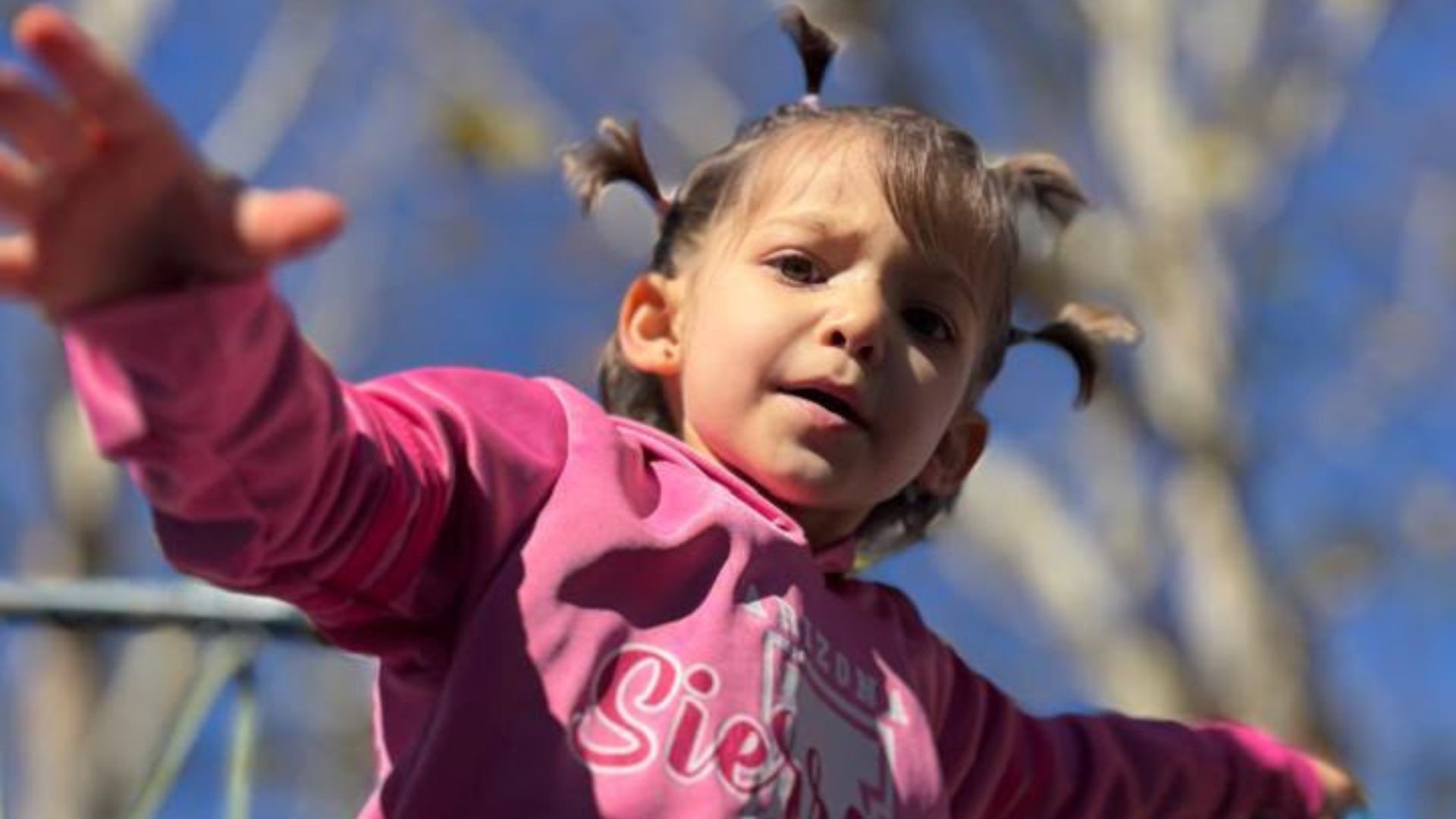
Sophia Luisa Moraes dos Santos, a 3-year-old girl from Campo Bom, Brazil, has died. Her image was used in fraudulent online fundraising campaigns that employed artificial intelligence to create fake videos of her asking for money for cancer treatment. According to her mother, Kelen Santos, Sophia was hospitalized on Sunday, May 26, and passed away early Monday, May 27, due to heart complications from radiation therapy and a lung infection. The family is preparing for her farewell at the Jardim da Memória Cemetery in Novo Hamburgo. Kelen Santos expressed her deep distress, not only about her daughter's image being misused but also about criminals exploiting the family's pain for financial gain. The fraudulent scheme involved AI-generated voices simulating the child's pleas for donations for expensive medication. The police, led by delegate João Vitor Herédia, revealed that the group used deepfake technology and voice cloning to alter legitimate campaigns, creating fake pages with names like "Clube de Doadores" and "Unidos pelo Amor." Victims were directed to fake donation sites, where Pix transfers went to shell companies controlled by the criminals. In the case involving Sophia, approximately R$ 294,500 were diverted. The investigation uncovered a financial hub for the group that handled over R$ 1.7 million. The police have arrested 16 individuals and are investigating the extent to which other seriously ill children may have been victimized. Authorities are urging the public to verify the authenticity of fundraising campaigns by directly confirming details with families or institutions and checking Pix recipient names.
AI-generated content, including deepfakes and cloned voices, is increasingly being weaponized to exploit public empathy for financial gain. This case highlights a critical vulnerability where sophisticated technology can be leveraged to impersonate vulnerable individuals, amplifying the emotional impact of fraudulent appeals. The criminal group's ability to divert significant funds, over R$ 1.7 million, underscores the need for robust digital identity verification and transaction monitoring systems. As AI capabilities advance, the challenge lies in developing effective countermeasures that can distinguish authentic pleas from fabricated ones, protecting both potential donors and genuine charitable causes. Future regulatory frameworks may need to address the malicious use of AI in financial scams, balancing innovation with safeguards against exploitation.
AI-generated to prompt reflection — not editorial opinion, not advice, not a statement of fact. How this works.