Girl Recounts Horrific Landslide That Killed Her Father and Sister
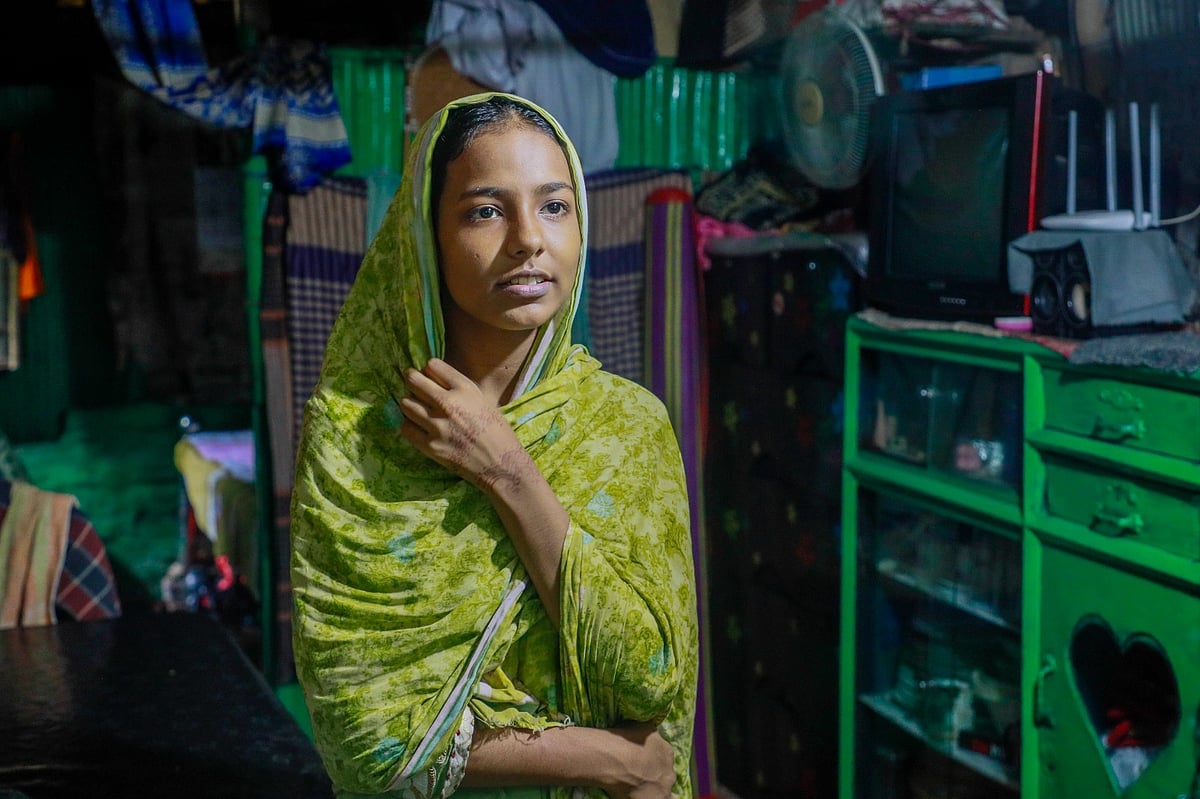
A 14-year-old student, Bibi Kulsum Akhter, shared her harrowing experience of a landslide that struck her home in the IW Colony of Sholoshahar, Chittagong, Bangladesh, three years ago on August 27, 2023. At approximately 5:30 AM, while the family slept, a section of the hill collapsed, burying their small tin-roofed house. Kulsum described a deafening sound and being trapped in darkness under the debris, unable to see and calling for her parents. Her father, Mohammad Sohel, and her seven-month-old sister, Bibi Jannat, were killed instantly when the wall collapsed on their bed. Kulsum and her mother, Sharifa Begum, were trapped separately but rescued by neighbors. Sharifa recounted how her husband and youngest daughter could not be retrieved until the fire service arrived. The landslide has left Kulsum with a deep fear of rain and sleeping alone, while Sharifa is haunted by the sound of rain, fearing another disaster. The family now lives in two small rooms near the same hillside, with a protective fence installed by the administration. Sohel was the sole breadwinner, running a small tea stall. After his death, Sharifa took over the stall and also works as a domestic helper to support the family, but struggles to meet expenses. She is particularly concerned about Kulsum's education, as she can no longer afford a tutor. The conversation was interrupted by news of another child, 13-year-old Samiya Islam, who died in a separate landslide in the Mayor Goli area of Sholoshahar on the same day, highlighting the ongoing risks in the area.
This narrative highlights the persistent vulnerability of communities residing in geologically unstable areas, particularly in the face of extreme weather events exacerbated by climate change. The tragic loss of life and displacement underscores systemic challenges in urban planning and disaster risk management, where informal settlements often encroach upon hazardous zones. The economic repercussions for surviving families, such as the mother's dual burden of work and sole breadwinning, reveal the long-term social and financial consequences of such disasters. The ongoing fear experienced by survivors points to the critical need for comprehensive psychological support and robust, long-term housing solutions beyond temporary fencing. Future interventions must address root causes, including land-use policy, environmental protection, and resilient infrastructure development, to mitigate the recurring threat to life and livelihood in similar high-risk communities.
AI-generated to prompt reflection — not editorial opinion, not advice, not a statement of fact. How this works.