Gita Gopinath Warns of Growing Global Imbalances Threatening Growth and Fueling Protectionism
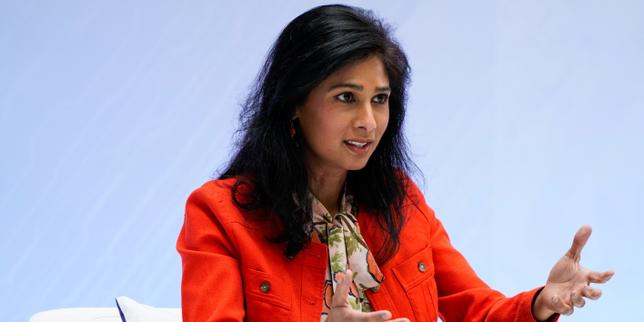
Gita Gopinath, an economics professor at Harvard University and former official at the International Monetary Fund (IMF), has expressed concern over the current level of the U.S. federal debt. She believes that the increasing imbalances among major global powers pose a significant threat to economic growth worldwide. These growing disparities, according to Gopinath, are also contributing to a rise in protectionist policies. The economist's remarks highlight potential challenges to the global economic order. She suggests that the current trajectory could lead to increased trade tensions and hinder international economic cooperation. The focus on U.S. federal debt indicates a specific concern about the fiscal health of a major global economy. Gopinath's perspective underscores the interconnectedness of national fiscal policies and their impact on global economic stability. Her analysis suggests a need for greater international coordination to address these widening imbalances.
The assertion by Gita Gopinath that increasing imbalances among major powers threaten global growth and encourage protectionism points to a potential shift in the international economic landscape. This perspective suggests that geopolitical and economic divergences may be creating systemic risks, potentially leading to a less integrated and more fragmented global market. The concern regarding U.S. federal debt, when viewed through this lens, could indicate a perceived weakening of a key global economic anchor, exacerbating existing imbalances. As the world navigates an era increasingly defined by technological acceleration and evolving geopolitical alliances, such imbalances could test the resilience of international trade frameworks and foster a competitive dynamic that prioritizes national interests over global cooperation. This situation may necessitate a re-evaluation of global governance structures to better manage these emergent economic tensions and ensure sustainable, inclusive growth.
AI-generated to prompt reflection — not editorial opinion, not advice, not a statement of fact. How this works.