Glacier burst in Swat's Kalam: One missing, six injured
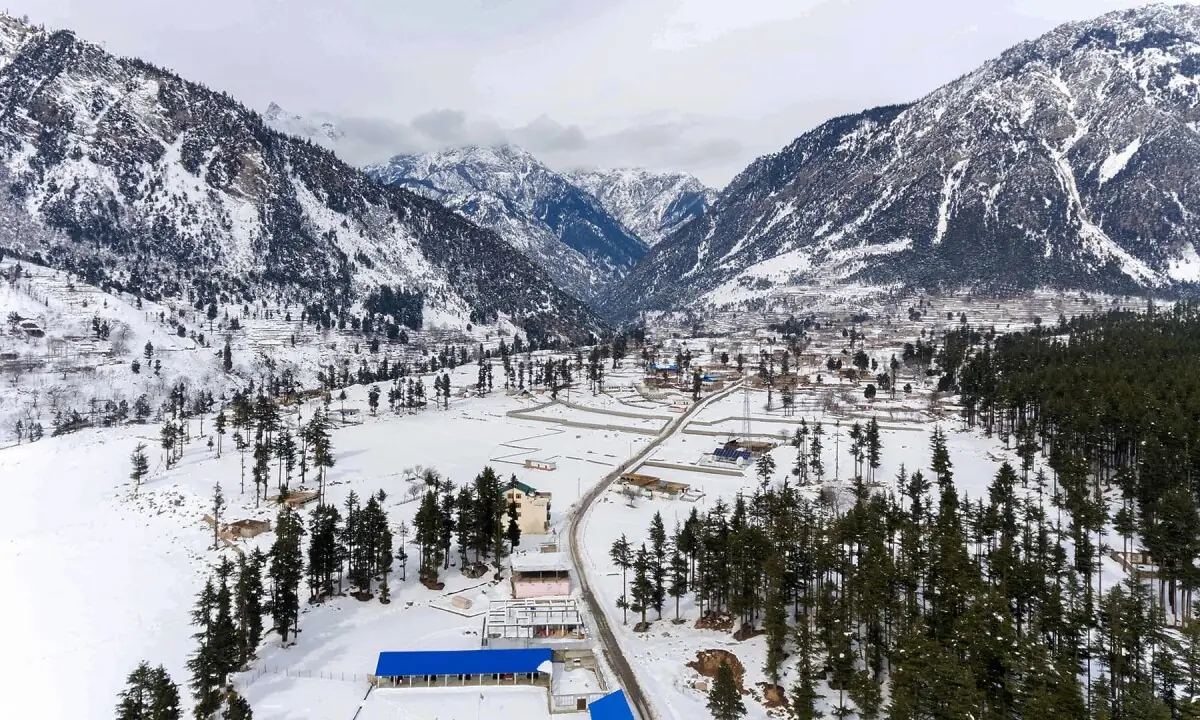
Search operations are ongoing for one person missing following a glacier burst in the Kalam Valley of Upper Swat, as reported by Rescue 1122 on Saturday. The incident, which occurred in the Matiltan area a few days prior, also resulted in injuries to six individuals. Survivors returned to the main Kalam bazaar to report the event. The missing man, identified as Syed Ali Shah from Khwazakhela, is presumed dead by his companions, though his body has not yet been recovered. Three of the injured received immediate first aid from Rescue 1122 and were transferred from Kalam Tehsil Headquarters Hospital to Central Hospital in Saidu Sharif for advanced care. Three others sustained minor injuries and are reported to be in stable condition. Rescue officials have stated that more verified information will be released as it becomes available. The northern regions of Gilgit-Baltistan and Khyber Pakhtunkhwa are known to be susceptible to glacier-related events, including glacial lake outburst floods (Glofs), which are exacerbated by climate change. The Pakistan Meteorological Department has warned that above-normal temperatures predicted for the 2026 monsoon season could accelerate snow and glacier melt, increasing runoff and the potential for localized glacial hazards and severe downstream flooding from Glofs. Pakistan holds the largest concentration of glaciers outside the polar regions, with over 13,032 glaciers, but climate change is causing significant recession, particularly in Chitral and GB. Last month, Suparco identified 130 potentially dangerous glacial lakes, with 24 currently unfrozen and observable, posing risks to nearby settlements.
This incident highlights the increasing vulnerability of Pakistan's northern regions to climate change impacts, particularly glacier-related hazards like glacial lake outburst floods (Glofs). The frequency and intensity of such events are projected to rise due to global warming, posing significant risks to downstream communities and infrastructure. While immediate rescue and medical efforts are crucial, the long-term challenge lies in developing robust early warning systems and climate adaptation strategies. Pakistan's extensive glacial resources, while a unique natural asset, also represent a growing source of potential disaster. Future mitigation efforts should consider sustainable land-use planning in vulnerable areas, improved infrastructure resilience, and international cooperation on climate action to address the root causes of accelerated glacial melt and associated risks.
AI-generated to prompt reflection — not editorial opinion, not advice, not a statement of fact. How this works.