Glass Wool Factory Halts Production in São Paulo After Decades of Resident Complaints
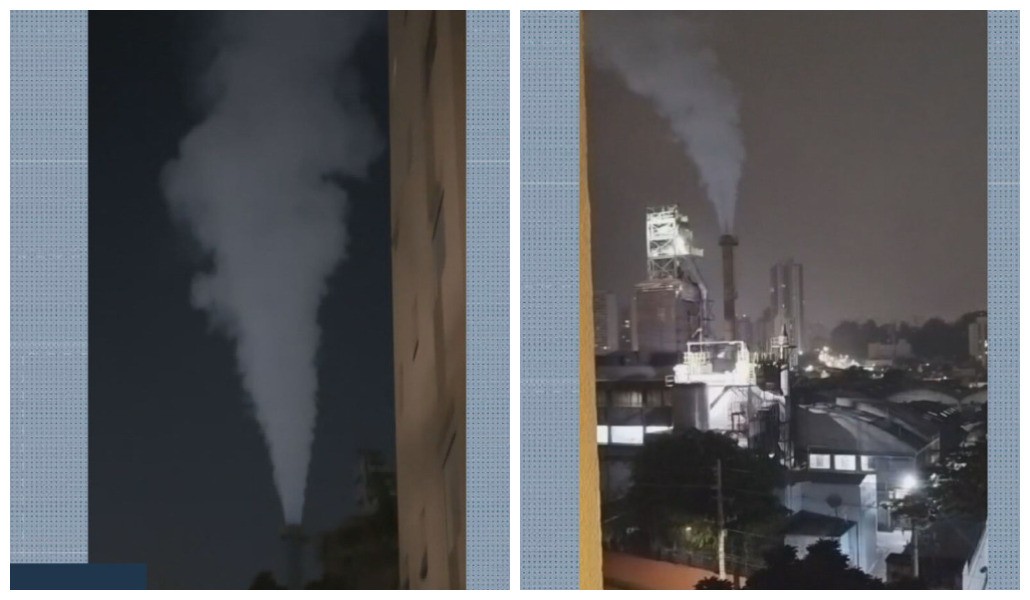
The Isover Saint-Gobain glass wool factory in Santo Amaro, located in the South Zone of São Paulo, ceased production on Friday, July 4th. This closure follows years of complaints from local residents regarding intense smoke, soot, strong odors, and noise emanating from the plant, often occurring at night. The cessation of industrial activities fulfills an agreement reached between the company and the Public Prosecutor's Office of São Paulo (MP-SP). Residents have reported not seeing smoke from the chimney for about a week, and the associated odor and soot have reportedly stopped affecting nearby properties. Lilian Lira, a leader of the "Respira Santo Amaro" movement, described the situation as critical on June 29th, with residents keeping windows closed to avoid the emissions. The factory will now operate solely as a distribution center for glass wool, a material used for thermal and acoustic insulation in construction. For residents who have lived with the industrial activity for decades, this marks the end of a lengthy dispute, with Carolina Montes, another movement leader, calling the change a "gift." The agreement with the MP-SP, signed at the end of 2025, stipulated production interruption by July 4th of this year, with a daily fine of R$10,000 for non-compliance. The accord also includes environmental measures such as contaminated area management and proper waste disposal. The factory had previously been fined at least three times by the State Environmental Company of São Paulo (Cetesb) for the registered issues. Isover Saint-Gobain stated it conducted the transition transparently and in compliance with legislation, aiming to minimize employee impact, though the fate of approximately 100 production workers was not detailed.
The closure of the Isover Saint-Gobain production facility in Santo Amaro, São Paulo, represents a significant shift in urban industrial management, driven by sustained community advocacy and regulatory pressure. This event highlights the increasing tension between industrial operations and residential quality of life in densely populated areas. The resolution, achieved through an agreement with the Public Prosecutor's Office, underscores the effectiveness of legal and collective action in addressing environmental grievances. Looking ahead, such situations prompt consideration of urban planning strategies that better integrate or spatially separate industrial zones from residential neighborhoods to mitigate long-term conflicts. Furthermore, it raises questions about the future of legacy industrial sites and the economic transition for affected workforces, emphasizing the need for proactive corporate social responsibility and governmental support in managing these complex societal dynamics.
AI-generated to prompt reflection — not editorial opinion, not advice, not a statement of fact. How this works.