Global Antibiotic Use Lags Behind Optimal Standards
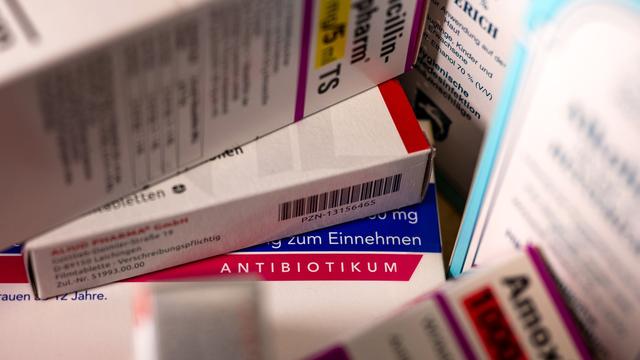
Antibiotics are not being used optimally on a global scale, according to a recent assessment. This suboptimal usage poses a significant threat to public health worldwide. The improper application of these vital medications can lead to the development of antibiotic resistance, a growing concern that diminishes the effectiveness of treatments for bacterial infections.
This issue affects both human and animal health, as antibiotics are widely used in agriculture to promote growth and prevent disease in livestock. The indiscriminate use in these sectors contributes to the spread of resistant bacteria, which can then transfer to humans. Addressing this challenge requires a coordinated international effort involving healthcare providers, policymakers, and the agricultural industry to implement more responsible prescribing and usage practices.
The suboptimal global deployment of antibiotics highlights a critical public health challenge. Inefficient usage, driven by factors such as over-prescription, inappropriate indications, and widespread use in animal agriculture, accelerates the evolution of antimicrobial resistance. This phenomenon threatens to undermine decades of medical progress, rendering common infections untreatable and increasing healthcare costs. Future strategies must focus on incentivizing judicious antibiotic stewardship, promoting the development of novel antimicrobials and alternatives, and enhancing global surveillance to monitor resistance patterns. The long-term sustainability of effective infection control hinges on a systemic shift towards more responsible pharmaceutical management across all sectors.
AI-generated to prompt reflection — not editorial opinion, not advice, not a statement of fact. How this works.