Global Conflicts Converge, Fueling Fears of World War III
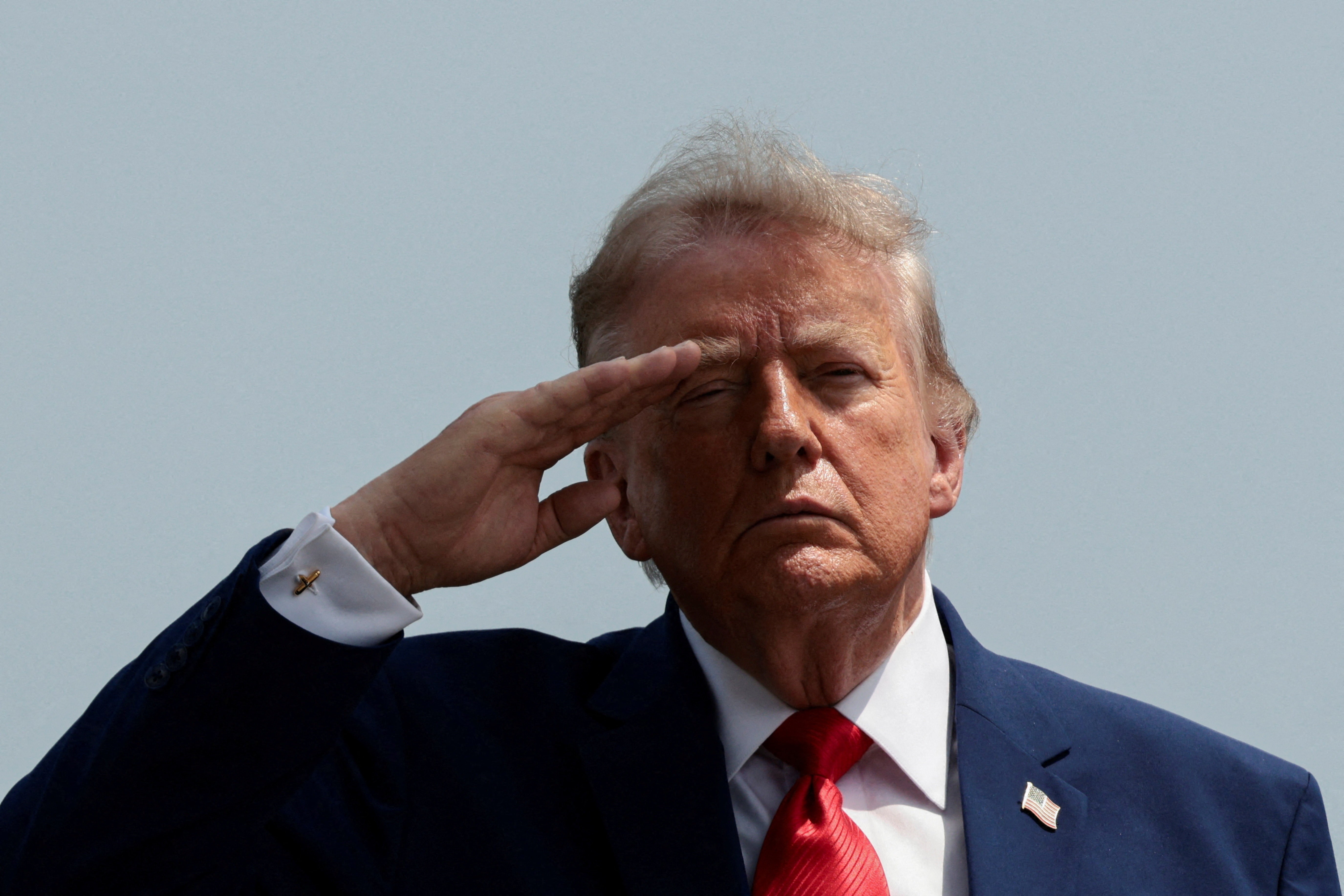
A growing sentiment suggests that the world is on the brink of, or already experiencing, a third world war. This perception has shifted from academic speculation to a mainstream topic among international security analysts and policymakers. While not a consensus, the idea that the conflicts in Ukraine and Iran are no longer running in parallel but are directly intersecting has gained traction. Recent meetings between U.S. President Donald Trump and the leaders of Ukraine and Israel, Volodymyr Zelensky and Benjamin Netanyahu respectively, have amplified this feeling. These leaders represent opposing sides in interconnected wars, with Russia and Iran exchanging arms and intelligence, while Ukraine is now directly engaging Iran with weaponry.
International relations experts like Paul Poast of the University of Chicago define a world war by two major simultaneous conflicts on different continents, involving great powers supporting each other's adversaries. Poast notes that while the current scale is far from the devastation of the 20th-century world wars, it's comparable to the multi-theater Seven Years' War. He identifies China as a key unpredictable factor, potentially viewing U.S. engagement in Ukraine and Iran as an opportunity regarding Taiwan. Financial Times chief foreign policy commentator Gideon Rachman observes that conflicts in Europe, the Middle East, and Asia are beginning to overlap. He points to the growing alignment between Russia, China, Iran, and North Korea, dubbed the "axis of adversaries," and notes China's role in bolstering Russia's military capabilities.
Historian Niall Ferguson expresses more caution, preferring the term "Cold War 2" over World War III, but acknowledges the growing interconnectedness. He highlights the use of AI and drones in modern warfare, suggesting the conflict with Iran could be the first AI war. Economist Jeffrey Sachs offers a more radical view, stating that the world is likely in the early stages of World War III, citing widespread, loosely connected conflicts across Ukraine, the Middle East, and even between Pakistan and Afghanistan. Sachs attributes this global instability to a perceived "delusional pursuit of global hegemony" by the United States.
The convergence of regional conflicts, particularly in Ukraine and the Middle East, is prompting a reevaluation of global security dynamics. Increased military and intelligence cooperation between nations like Russia and Iran, contrasted with Western support for Ukraine and Israel, creates complex geopolitical interdependencies. The analysis suggests that while the current conflicts may not mirror the destructive scale of past world wars, the interconnectedness and involvement of major powers, coupled with emerging technologies like AI and drones, present novel strategic challenges. The potential for miscalculation and escalation remains a significant concern, particularly in light of shifting alliances and the strategic calculations of rising powers such as China. Understanding these evolving threat landscapes requires a focus on systemic incentives, alliance structures, and the potential for technological advancements to alter the nature of warfare, rather than solely on the territorial scope of individual conflicts.
AI-generated to prompt reflection — not editorial opinion, not advice, not a statement of fact. How this works.