Global Debate on Used Clothing: Jobs vs. Landfill Waste
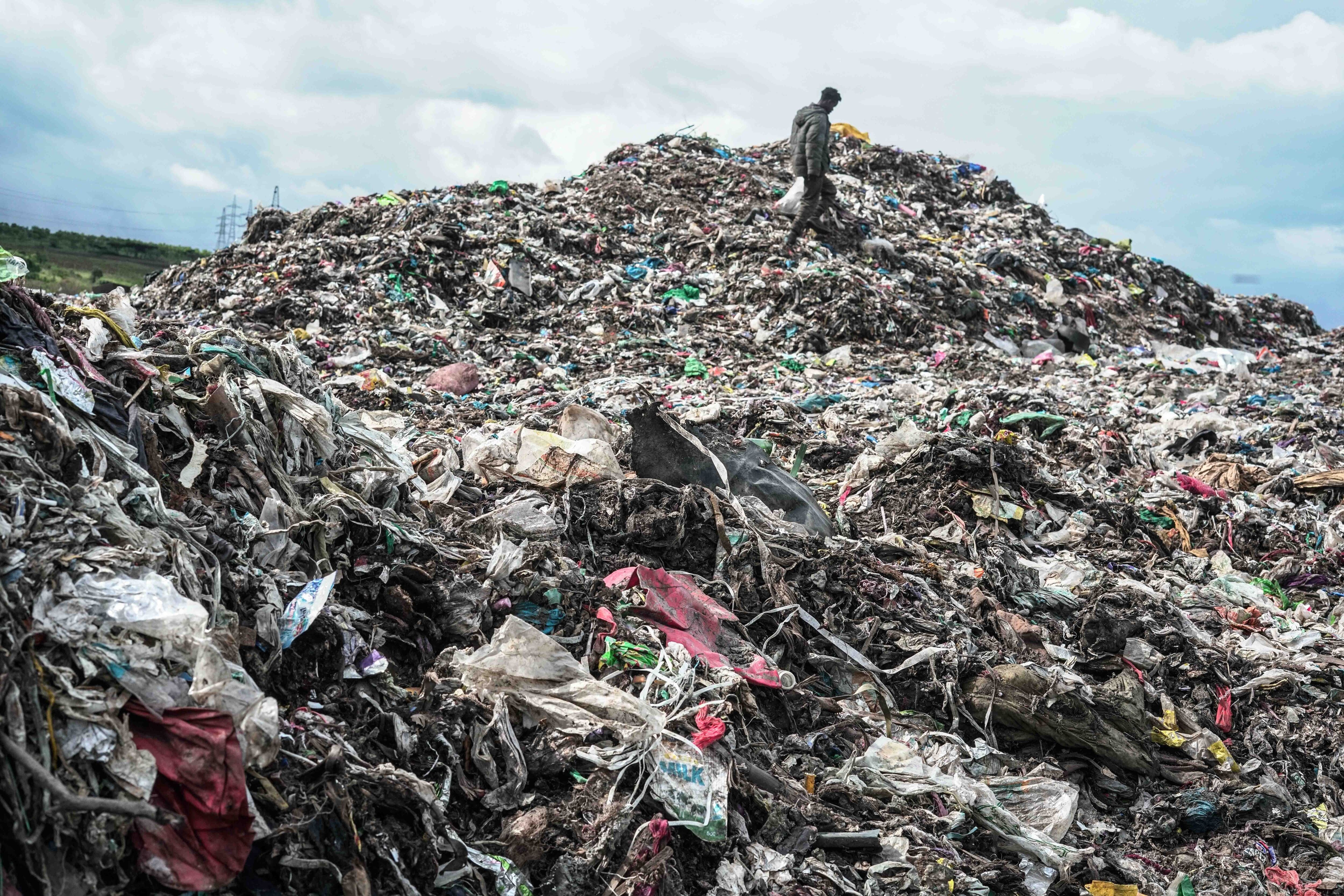
A significant debate has emerged concerning the global trade of used clothing, which began this summer in Switzerland and is set to be a key topic at the upcoming COP18 conference. The discussion highlights a deep division between two main viewpoints. One side advocates for stricter regulations to prevent low-quality textiles from overwhelming landfills in African nations. They argue that current practices lead to environmental degradation and unsustainable waste management in the Global South. The opposing side, however, raises concerns that increased controls and regulations could jeopardize a vital sector that provides employment for thousands of people. This group emphasizes the economic importance of the used clothing trade for many communities. The core of the conflict lies in balancing environmental protection and waste reduction efforts with the economic livelihoods dependent on this international textile market. The outcome of these discussions could have significant implications for both environmental policies and employment in developing countries.
The global used clothing trade presents a complex dilemma, pitting environmental sustainability against economic development. Stricter regulations, while potentially mitigating waste in the Global South, could disrupt established employment networks and informal economies that rely on this sector. Conversely, maintaining the status quo risks exacerbating environmental burdens in recipient countries. Future policy considerations may need to explore circular economy models that incentivize higher quality textile production and responsible end-of-life management, rather than solely focusing on trade restrictions. Innovation in textile recycling and upcycling technologies could offer a pathway to decouple economic benefits from waste generation, fostering a more sustainable and equitable global system for textile consumption and disposal over the next decade.
AI-generated to prompt reflection — not editorial opinion, not advice, not a statement of fact. How this works.