Global Economy Faces Persistent Uncertainty, Shifting Towards 'Slowbalization'
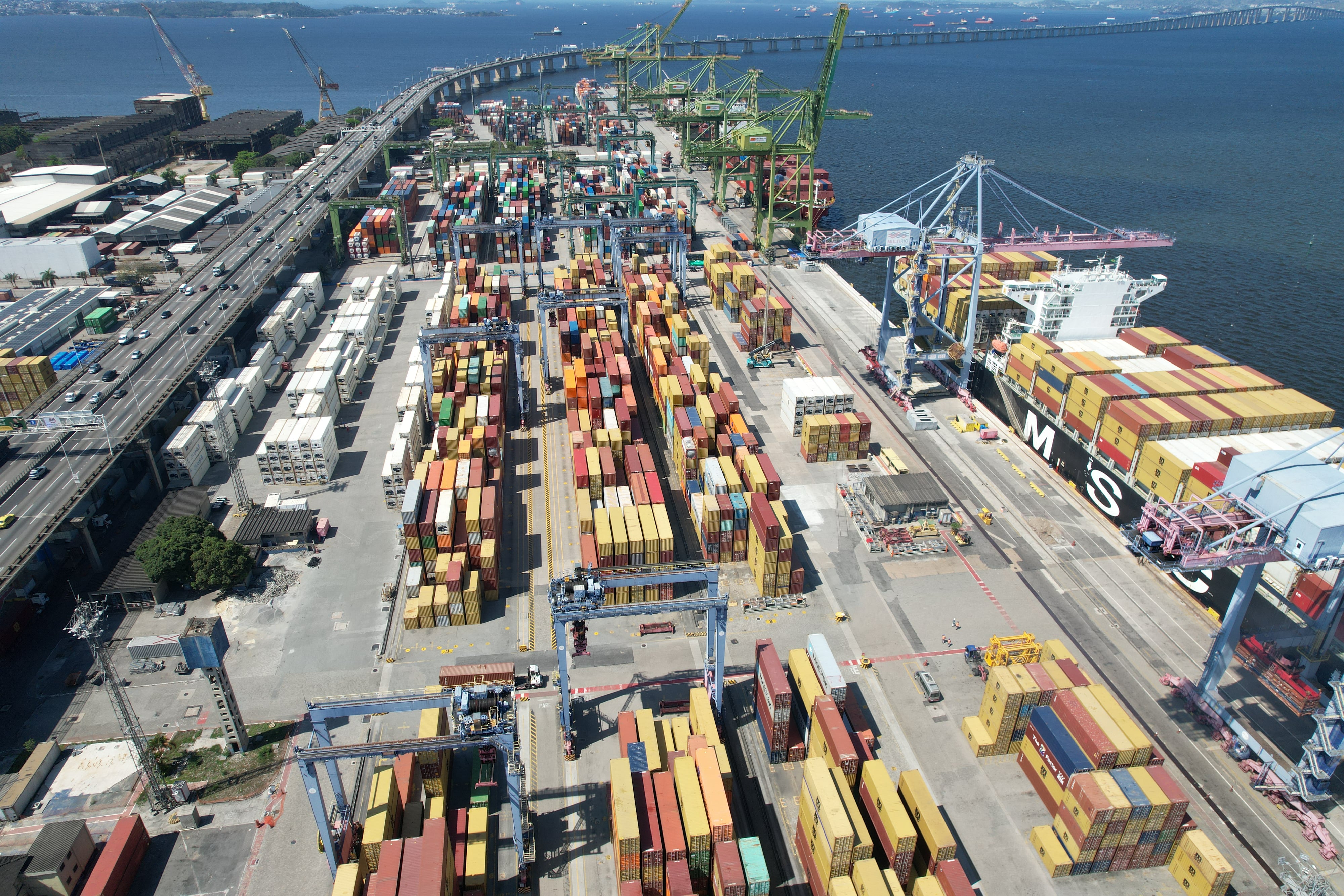
The global economy is currently characterized by persistent uncertainties that have become a standard element in all economic analyses. This ongoing situation suggests a shift away from rapid globalization towards a phenomenon termed 'slowbalization.' This new phase implies a deceleration in the interconnectedness and growth patterns previously observed on a global scale. The implications of this trend are far-reaching, affecting trade, investment, and economic development worldwide. As analysts integrate these uncertainties into their regular assessments, it signals a recalcitrant economic environment. The concept of 'slowbalization' highlights a potential long-term structural change in the global economic landscape. This transition may necessitate adjustments in policy, business strategies, and international cooperation to navigate the evolving dynamics. The fixed presence of these uncertainties underscores the complex challenges facing policymakers and economic actors.
The persistent uncertainties in the global economy, leading to a state of 'slowbalization,' suggest a recalibration of interconnectedness driven by evolving geopolitical and technological landscapes. This shift may reflect a move from hyper-globalization towards a more fragmented or regionalized economic order, influenced by factors such as supply chain resilience concerns, national security considerations, and the differential impacts of technological advancement. The analysis of these trends requires a focus on the underlying incentive structures for nations and corporations, examining how they balance global integration with domestic priorities. Understanding the long-term implications of 'slowbalization' involves considering how it might affect innovation diffusion, economic convergence, and the distribution of global wealth over the next decade.
AI-generated to prompt reflection — not editorial opinion, not advice, not a statement of fact. How this works.