Global Energy Markets at a Critical Juncture Amidst Geopolitical Tensions
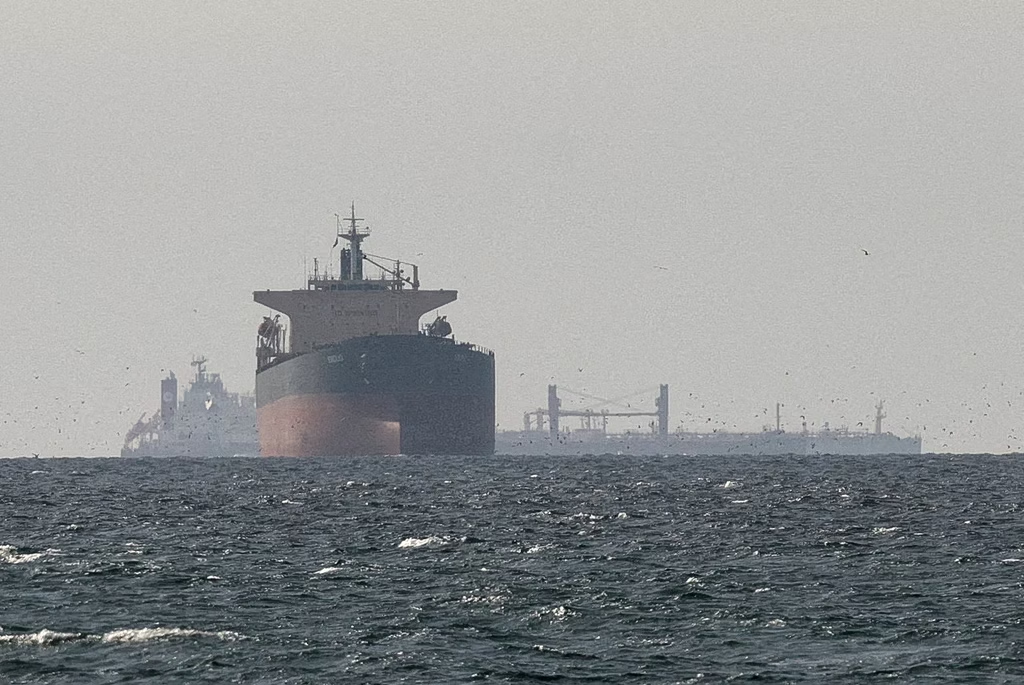
The ongoing conflicts in Ukraine and Iran, far from de-escalating, are significantly impacting global energy prices, particularly in Europe. These geopolitical events serve as a stark reminder of the global energy system's vulnerability concerning the supply and transportation of oil and natural gas. The situation highlights how interconnected the world is and how fragile the established energy infrastructure can be when faced with international instability. The dual crises underscore the urgent need for greater energy security and diversification of supply routes to mitigate the effects of such disruptions. The reliance on specific regions for energy resources exposes economies to considerable risk, necessitating a re-evaluation of current energy strategies. This precarious state of affairs demands immediate attention from policymakers and energy stakeholders to devise resilient solutions. The potential for further price hikes and supply shortages remains a significant concern for consumers and industries alike. Ultimately, the current geopolitical landscape is pushing energy markets toward a critical turning point, necessitating adaptive and forward-thinking approaches.
The confluence of conflicts in Ukraine and Iran exposes the inherent fragility of global energy supply chains, particularly their susceptibility to geopolitical shocks. This situation underscores the systemic risk associated with concentrated energy sources and transportation routes, highlighting the tension between established infrastructure and evolving global dynamics. The market's reaction demonstrates how geopolitical instability can rapidly override economic fundamentals, creating volatility and uncertainty. Looking ahead, this vulnerability may accelerate the transition towards diversified energy portfolios and localized production, driven by national security imperatives and the desire to insulate economies from external pressures. The current environment necessitates strategic foresight to balance immediate energy needs with long-term sustainability and resilience goals.
AI-generated to prompt reflection — not editorial opinion, not advice, not a statement of fact. How this works.