Global Food Prices Dip for Second Consecutive Month in June
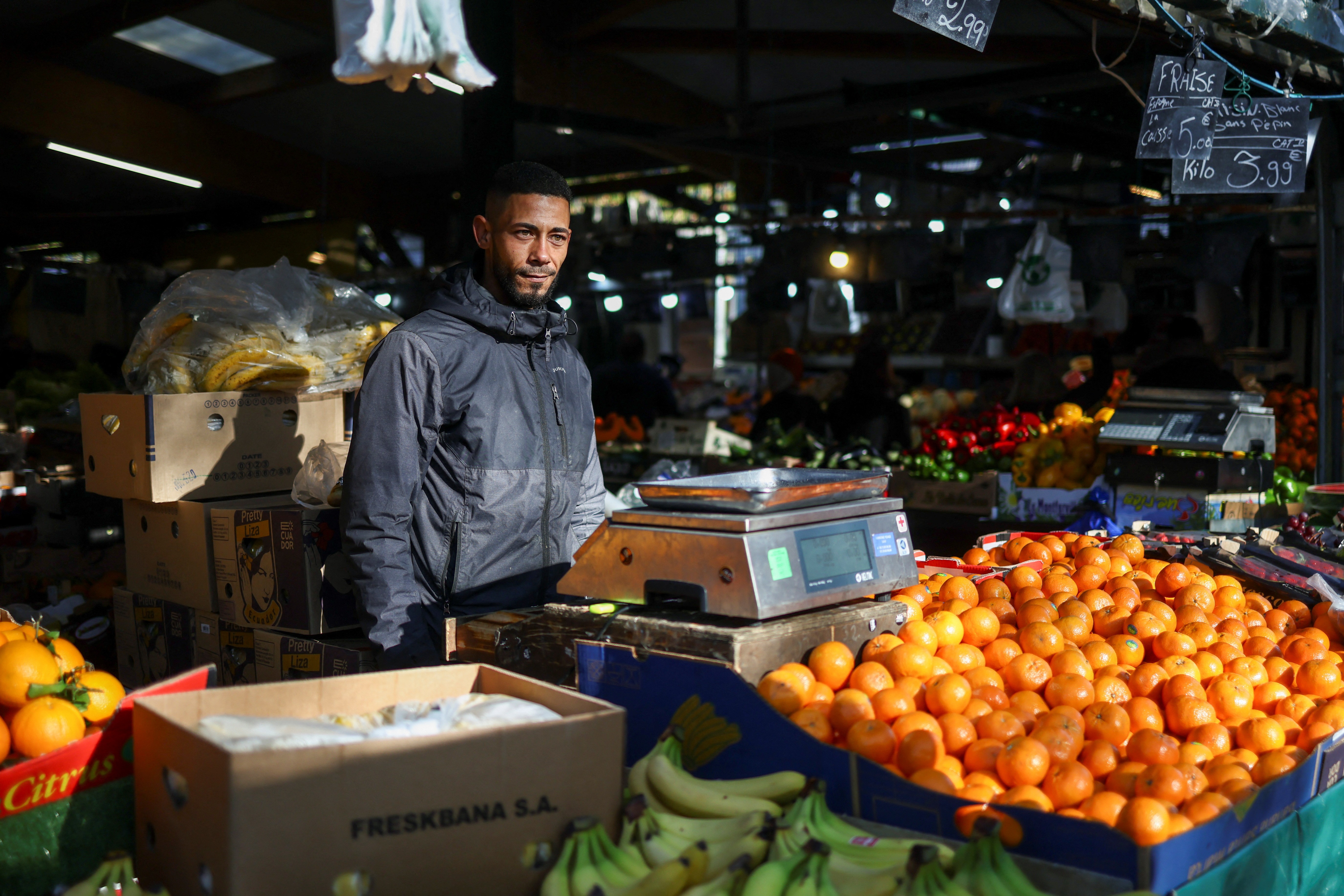
Global food prices experienced a slight decline in June, marking the second consecutive month of decrease. This downturn was primarily driven by falling prices for sugar, cereals, and dairy products, which more than offset increases in the costs of vegetable oils and meats. The United Nations Food and Agriculture Organization (FAO) released this data on Friday, July 3rd.
The FAO Food Price Index, which tracks monthly changes in a basket of internationally traded agricultural commodities, averaged 130.3 points in June, down from 130.8 points in May. This index serves as a key reference for governments, investors, and businesses regarding international food trade price trends. Brazil, as a major global supplier of sugar, corn, soy, and meats, is particularly affected by these price fluctuations.
Following a dip in May and a three-year high in April, exacerbated by conflict impacting vegetable oil prices, the June index was 1.7% higher than the previous year but still significantly below the record high of March 2022. Cereal prices fell 3.5%, with wheat prices declining due to harvest progress and ample Black Sea supply, while corn prices decreased on expectations of strong South American supply and lower oil prices. Conversely, rice prices rose 3.2% due to increased Asian demand for indica varieties. Sugar prices dropped 5.7%, influenced by Brazil's ethanol devaluation leading to more sugarcane diversion to sugar production, though El Niño concerns limited the decline. Dairy prices fell 1.5% amid increased global supply, while meat prices rose 0.4%, setting a new historical record, primarily due to strong global demand for poultry. Vegetable oil prices increased by 3.8%, driven by higher palm and rapeseed oil costs, partly linked to increased biodiesel demand.
The FAO's latest food price index data indicates a stabilization in global food commodity markets following earlier volatility. While the overall trend shows a modest retreat, specific sub-indices reveal complex market dynamics. For instance, the rise in meat prices, particularly poultry, alongside vegetable oils driven by biodiesel demand, highlights the interplay between food and energy markets, as well as evolving consumer and industrial demand patterns. The continued sensitivity of grain prices to geopolitical events and weather patterns like El Niño underscores the inherent fragility of global food supply chains. Looking ahead, the increasing demand for biofuels could create further tension between food and fuel production, potentially impacting price stability and food security, especially in developing nations. Navigating these competing demands will be a critical challenge for policymakers and international organizations in the coming decade.
AI-generated to prompt reflection — not editorial opinion, not advice, not a statement of fact. How this works.