Global HIV Funding Drops 18%, Threatening Resurgence of Epidemic
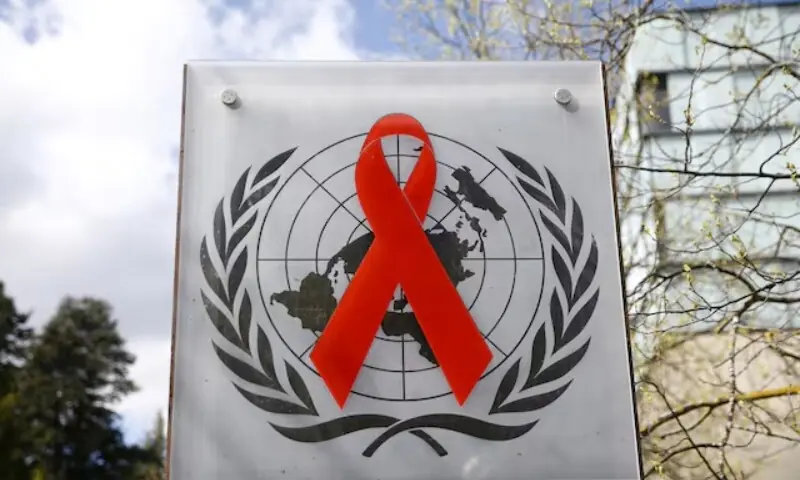
Global funding for HIV prevention and treatment plummeted by 18% to $7.3 billion in 2025, reaching its lowest point in nearly two decades, according to a new report from UNAIDS. This significant decrease jeopardizes decades of progress in combating the epidemic, potentially leading to a resurgence of new infections and AIDS-related deaths. The UN body fighting AIDS warned that without renewed commitment and action, hard-won gains are at risk. The report highlights that the global goal to end AIDS by 2030 is now significantly off track due to reduced funding and other global crises. Last year, approximately 1.2 million people contracted HIV. While some domestic spending increases partially offset foreign funding cuts, the overall decline in total HIV resources was 6%. Sub-Saharan Africa, which bears a substantial burden of new infections, experienced some of the most severe spending reductions in prevention programs. For instance, Cameroon, Nigeria, and Zambia reported over a 50% decrease in individuals receiving pre-exposure prophylaxis (PrEP). These funding disruptions have severely hampered HIV prevention, testing, and critical treatment components, including vital community-led services.
The report from UNAIDS indicates a critical juncture in the global fight against HIV, where financial commitments are faltering despite ongoing need. The observed 18% drop in international funding, coupled with a 6% overall decline in resources, suggests a potential shift in global health priorities or a miscalculation of long-term investment returns versus immediate crisis management. This trend, if sustained, could undermine the systemic gains made over the past thirty years, disproportionately affecting regions with existing vulnerabilities. The analysis suggests that the current global financial architecture may not adequately account for the sustained, long-term investments required for public health initiatives like HIV eradication, potentially creating a cycle of progress and regression. Future strategies may need to explore more resilient funding models that are less susceptible to geopolitical shifts and economic volatility to ensure sustained progress towards the 2030 goal.
AI-generated to prompt reflection — not editorial opinion, not advice, not a statement of fact. How this works.