Global HIV Progress at Risk as Funding Cuts and Policy Changes Threaten Gains
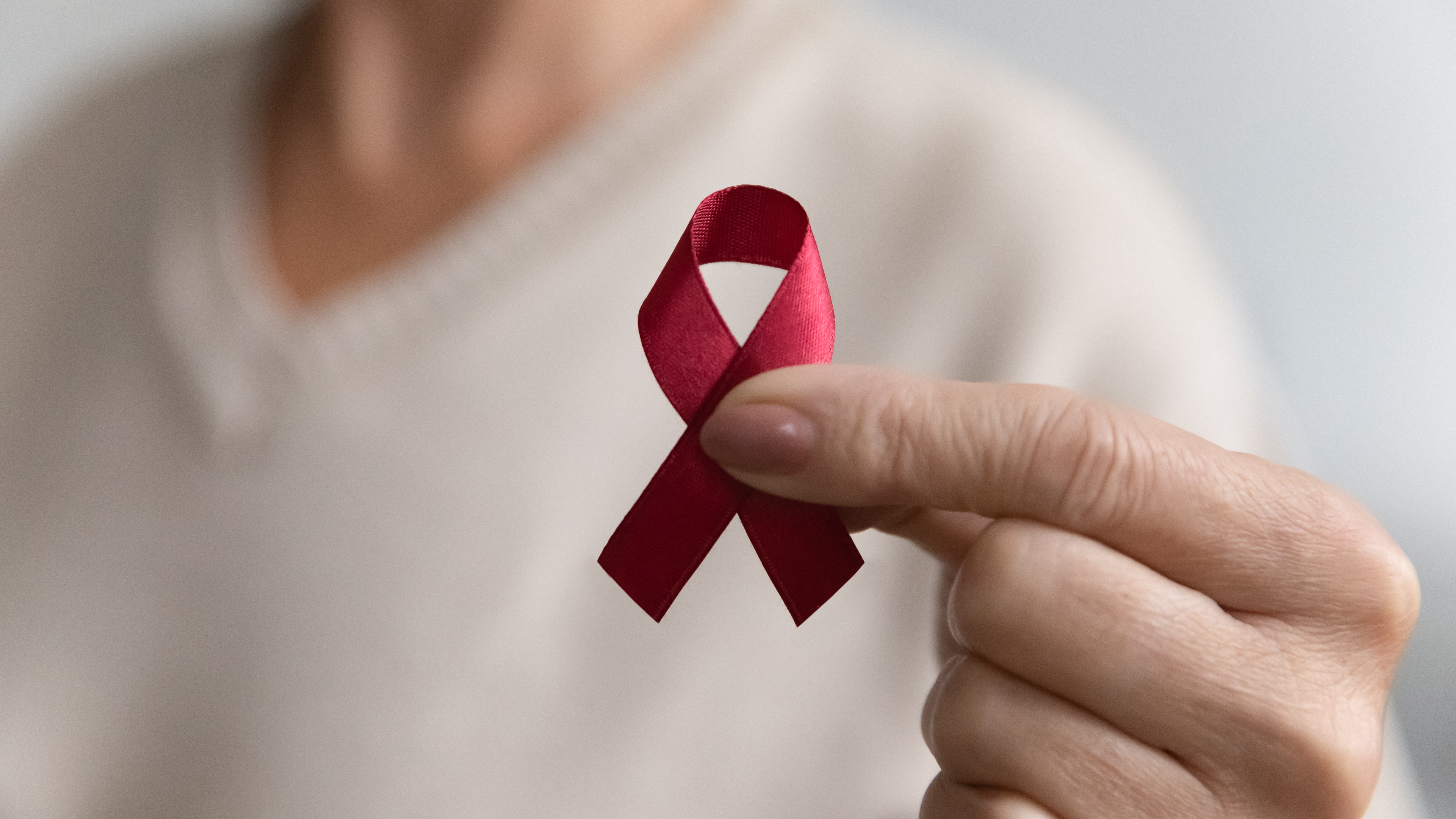
Decades of scientific progress have transformed HIV from a death sentence into a manageable infection, with increasingly effective treatments and prevention methods. However, a new report from UNAIDS warns that international funding cuts, reduced prevention services, and policies restricting the rights of vulnerable populations are jeopardizing these hard-won advancements. While AIDS-related deaths are at a 30-year low, the UN indicates that the goal of eliminating the disease as a public health threat by 2030 is now at risk.
Brazil, recognized for its access to treatment, is among the 21 countries experiencing an increase in new HIV cases. This resurgence is being discussed by Victor Boyadjian with infectious disease specialist Dr. Beatriz Grinsztejn, who also serves as president of the IAS and director at Fiocruz. Dr. Grinsztejn will analyze the impact of reduced international funding, weakened prevention strategies, and policies that heighten the vulnerability of at-risk groups. She will also explain the reasons behind the rise in cases in Brazil, despite scientific breakthroughs in treatment and prevention. The podcast "O Assunto" is produced by g1 and features contributions from Luiz Felipe Silva, Sarah Resende, Carlos Catelan, Luiz Gabriel Franco, Juliene Moretti, Stéphanie Nascimento, and Guilherme Gama, with Victor Boyadjian as the presenter.
The UNAIDS report highlights a critical juncture in the global HIV/AIDS response, where decades of progress face potential reversal due to financial and policy shifts. Reduced international funding and restrictive policies can disproportionately affect vulnerable populations, undermining established prevention and treatment programs. This situation underscores the systemic challenge of sustaining public health initiatives, particularly when global priorities or political climates change. The resurgence of cases in Brazil, even with advanced treatment access, suggests that scientific solutions alone are insufficient without robust, inclusive public health infrastructure and sustained political will. Looking ahead, the sustainability of HIV/AIDS programs will likely depend on innovative financing models and adaptive strategies that can navigate evolving geopolitical and economic landscapes, ensuring that scientific gains are not eroded by external pressures.
AI-generated to prompt reflection — not editorial opinion, not advice, not a statement of fact. How this works.