Global LNG Trade Declined in June
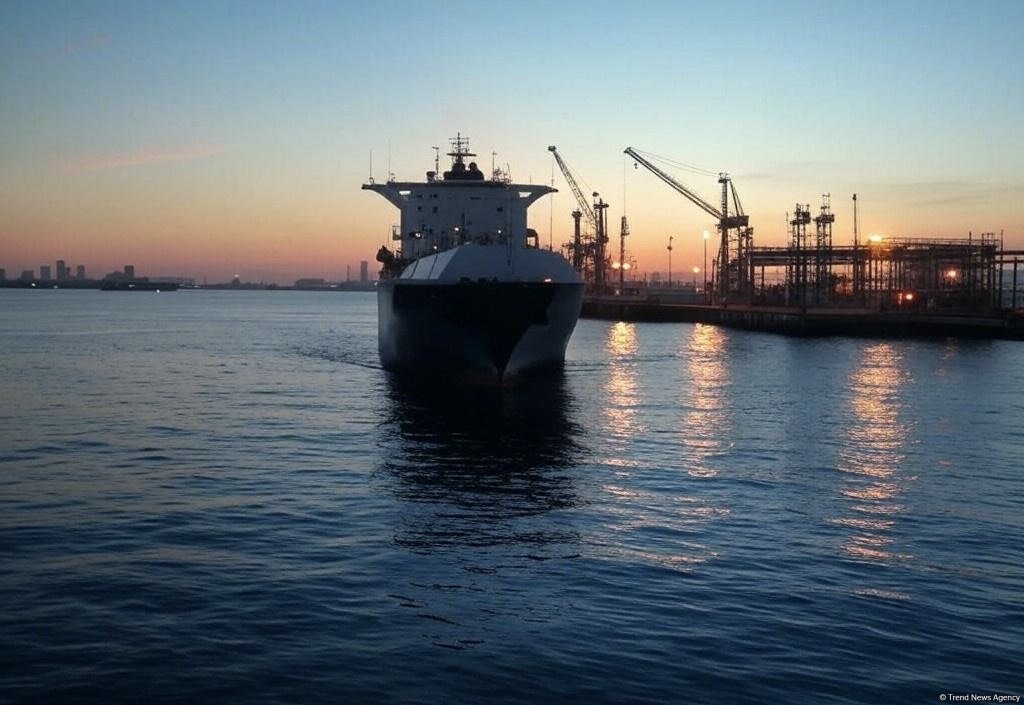
Global liquefied natural gas (LNG) trade experienced a decrease in June. The available information indicates a downturn in the international movement of LNG during that month. Specific figures or reasons for this decline were not provided in the source material. The report focuses solely on the observation that trade volumes were lower compared to previous periods or expectations. Further details regarding the extent of the decrease or the contributing factors are absent. This suggests a potential shift in market dynamics or supply and demand conditions that impacted LNG flows. The reduction in trade could have implications for energy markets and pricing globally. However, without more data, it is difficult to ascertain the precise impact or the underlying causes of this June slump. The source material is concise, providing only the headline fact of the trade reduction.
The observed decline in global LNG trade during June, while reported factually, warrants examination of underlying market forces. Potential factors include shifts in seasonal demand, changes in production levels from key exporting nations, or disruptions in shipping and logistics. Furthermore, evolving energy policies and the transition towards alternative energy sources could influence long-term LNG demand. Understanding the interplay of these elements is crucial for anticipating future trade patterns and ensuring energy security. The reduction may signal a recalibration of global energy supply chains in response to economic or geopolitical pressures, prompting a need for strategic adaptation by market participants.
AI-generated to prompt reflection — not editorial opinion, not advice, not a statement of fact. How this works.
