Global Markets Dip Amid AI Sell-off and Middle East Tensions
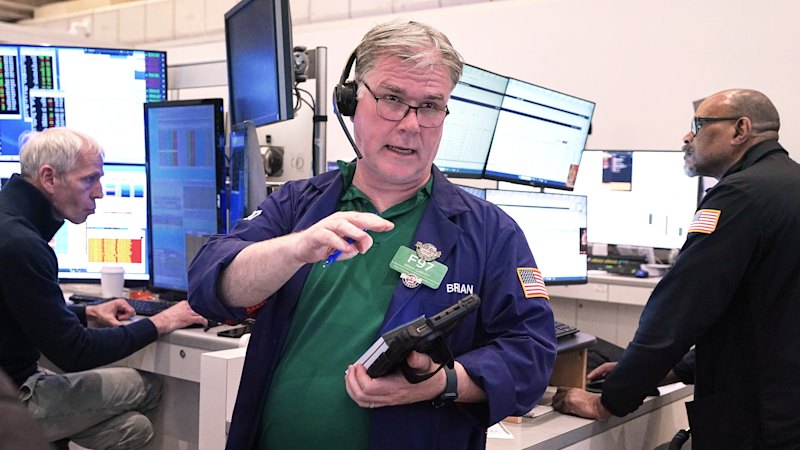
Global stock markets experienced a downturn, influenced by a significant sell-off in companies that had previously benefited from the artificial intelligence boom. This decline in AI-related stocks contributed to a broader market slump worldwide. Concurrently, geopolitical tensions in the Middle East intensified. The United States conducted further airstrikes targeting Iran. These actions were reportedly in retaliation for the killing of American troops, escalating the conflict in the region. The combined pressures of the AI sector's correction and the Middle East conflict created an uncertain outlook for markets, including the Australian Securities Exchange (ASX), which was poised for a hesitant opening. Wall Street also felt the impact of the AI slump, indicating a global ripple effect.
The recent market downturn highlights the inherent volatility associated with rapidly evolving technological sectors. While AI has driven significant gains, its concentrated market impact suggests a potential overvaluation or a shift in investor sentiment towards more established or diversified assets. The concurrent geopolitical instability in the Middle East introduces external risk factors that can exacerbate market downturns, irrespective of underlying economic fundamentals. Investors are likely re-evaluating risk exposure, balancing the long-term potential of AI against immediate global uncertainties. This period may prompt a broader market recalibration, emphasizing resilience and diversified investment strategies in the face of technological and geopolitical disruptions.
AI-generated to prompt reflection — not editorial opinion, not advice, not a statement of fact. How this works.