Global Memory Chip Shortage Drives Up Prices, Disrupts Electronics Production in Brazil
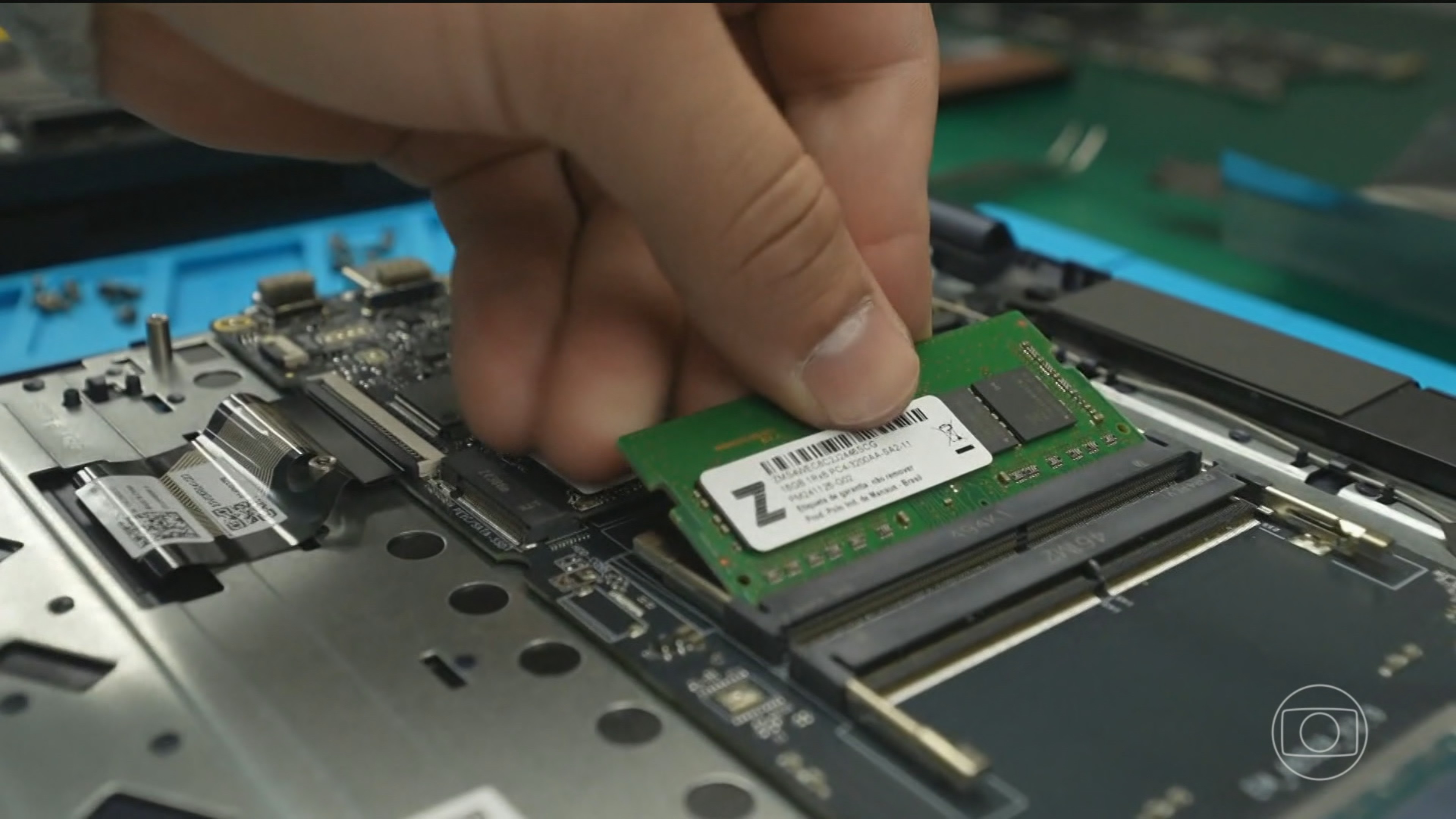
A surging global demand for memory chips, essential for modern electronics, has led to a worldwide shortage and is significantly impacting the production of electronic devices in Brazil. These chips, including RAM, are critical for the functioning of everything from smartphones and computers to advanced automotive systems. The scarcity is causing production line disruptions, such as at a computer factory in Curitiba. Hélio Bruck Rotenberg, president of Positivo Tecnologia, reported a dramatic price increase for these components, with a chip that cost around R$150 last year now exceeding R$1,000. This surge is attributed to escalating worldwide demand, particularly from data centers and the growing needs of artificial intelligence development. The chips used in Brazil are primarily imported from Asian countries. Industry experts, like Victor Arnaud, president of Equinix, suggest that the situation may not normalize until 2027 or 2028, due to the time required for new manufacturing facilities to become operational. Consequently, electronics prices in Brazil have risen by an average of up to 10%, with some increases exceeding 31%. The appreciation of the Brazilian Real against the dollar has partially mitigated higher import costs. Humberto Barbato, president of Abinee, noted that consumers are opting for less sophisticated, more economical models due to rising prices. Software developer Rodrigo Carvalho, unable to downgrade his equipment, has postponed purchasing a new computer and is using a simpler operating system to extend his current device's lifespan.
The escalating global demand for memory chips, driven by data center expansion and AI advancements, highlights systemic dependencies within the electronics supply chain. The current shortage and price volatility underscore the vulnerability of localized production, like Brazil's, to international market dynamics. While technological innovation continues to drive demand, the industry's capacity expansion lags, creating a recurring cycle of scarcity and price hikes. This situation prompts a re-evaluation of global manufacturing footprints and the strategic importance of domestic semiconductor production capabilities to ensure supply chain resilience and mitigate inflationary pressures on consumer goods in the long term.
AI-generated to prompt reflection — not editorial opinion, not advice, not a statement of fact. How this works.
