Global Oil Prices Spike Amid Escalating US-Iran Tensions
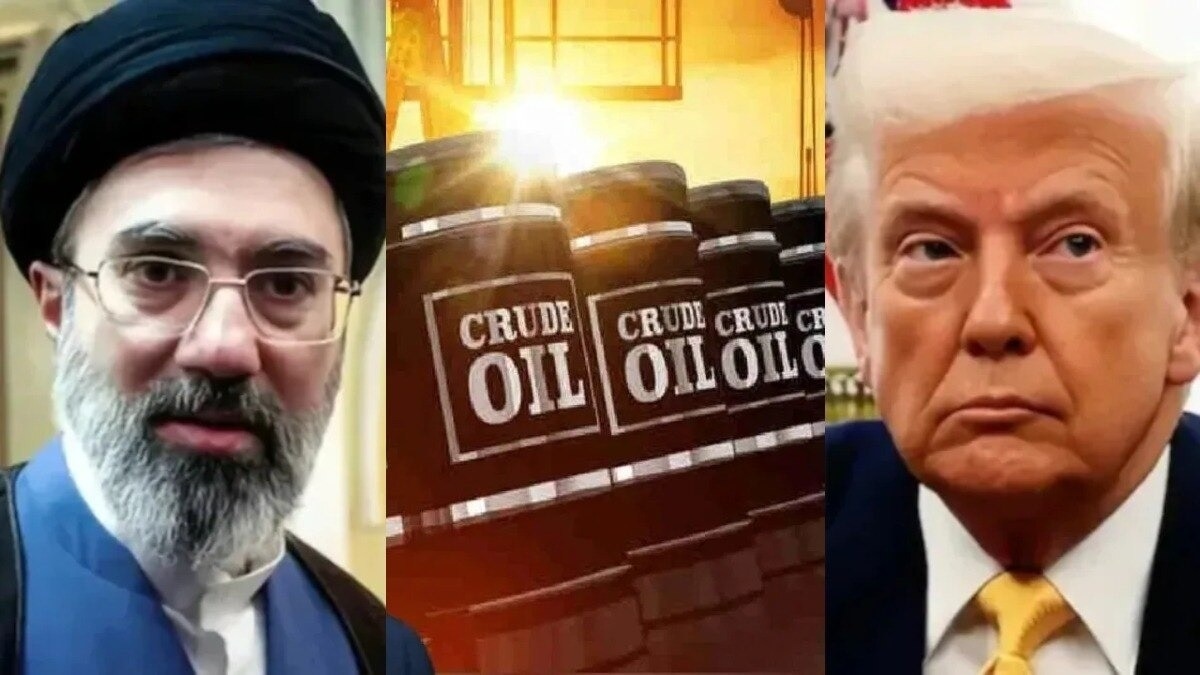
The world is experiencing fear as crude oil prices have surged following escalating tensions between the United States and Iran. Reports of intense attacks have emerged, directly impacting the global oil market. Consequently, crude oil prices have climbed sharply, nearing the $80 per barrel mark. This price increase signals a significant shift in market dynamics, likely driven by concerns over potential supply disruptions in the Middle East. The geopolitical instability has created a volatile environment for energy markets, with traders and consumers alike bracing for further fluctuations. The situation highlights the delicate balance of global energy security and its susceptibility to international conflicts. The surge in oil prices could have ripple effects across various economies, potentially leading to increased inflation and impacting transportation costs worldwide. The international community is closely monitoring the developments, hoping for a de-escalation of the conflict to stabilize energy prices.
The rapid increase in crude oil prices, driven by geopolitical conflict between the US and Iran, underscores the inherent volatility of energy markets. Such events highlight the systemic risk associated with reliance on specific regions for critical resources. The price surge, while potentially beneficial for oil-producing nations, poses inflationary pressures and economic challenges for importing countries and consumers globally. This situation prompts a re-evaluation of energy security strategies, encouraging diversification of supply sources and accelerated investment in alternative energy technologies to mitigate future shocks. The interconnectedness of global politics and economics is starkly evident, suggesting a need for robust diplomatic frameworks to manage international disputes and their far-reaching economic consequences.
AI-generated to prompt reflection — not editorial opinion, not advice, not a statement of fact. How this works.