Global Oil Reserves Depleted Amid Hormuz Strait Tensions
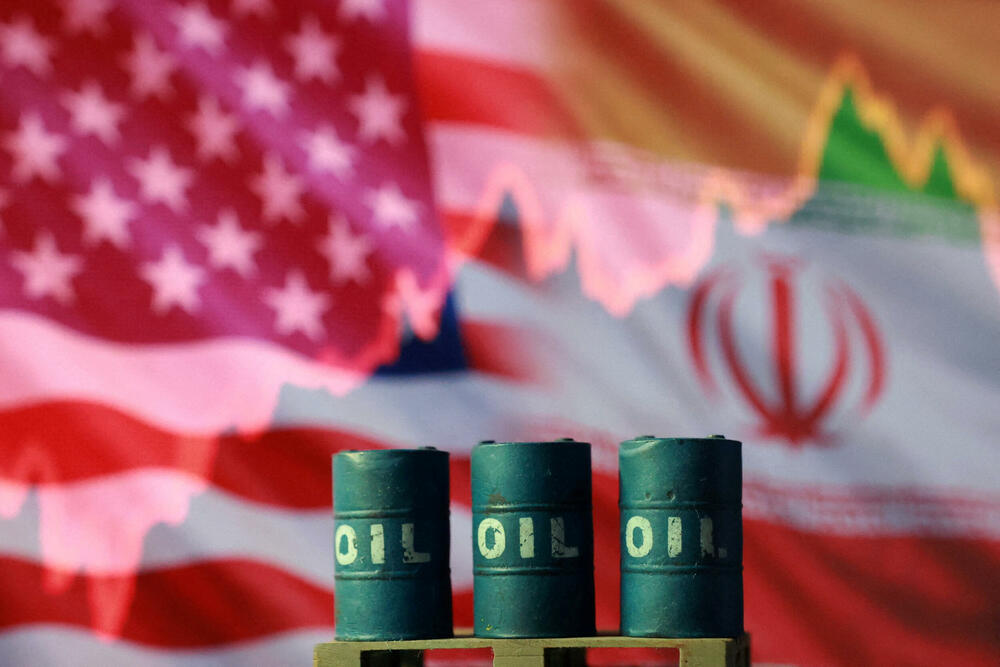
The global oil market is facing a critical situation with nearly depleted reserves, leaving it vulnerable to supply shocks. This precarious state has been exacerbated by renewed conflicts in the Strait of Hormuz, a vital shipping lane for oil transportation. The lack of substantial strategic reserves means there is no clear source to compensate for any potential shortfall in supply. This situation creates significant uncertainty for energy security worldwide.
The market's low inventory levels mean that even minor disruptions could lead to substantial price volatility and supply chain issues. The renewed tensions in the Strait of Hormuz, a chokepoint through which a significant portion of the world's oil passes, further heighten these concerns. Without adequate buffer stocks, the global economy remains exposed to the immediate impact of any escalation or incident in the region.
The current low global oil reserve levels, coupled with geopolitical instability in critical transit zones like the Strait of Hormuz, highlight a systemic vulnerability in energy supply chains. This situation underscores the tension between just-in-time inventory management, which minimizes storage costs, and the need for strategic reserves to buffer against unforeseen disruptions. As the world navigates increasing geopolitical fragmentation and the energy transition, the reliance on limited, strategically vital chokepoints and insufficient reserves poses a significant risk. Future energy security will likely depend on diversifying supply routes, investing in resilient infrastructure, and potentially re-evaluating the optimal balance between inventory efficiency and strategic preparedness to mitigate the impact of such shocks.
AI-generated to prompt reflection — not editorial opinion, not advice, not a statement of fact. How this works.