Global Rice Yields Underestimated Impact of Climate Change, Study Finds
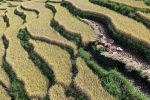
The detrimental effects of climate change on global rice yields have been underestimated, according to new findings. Contrary to previous assumptions that rising average temperatures pose the greatest threat, field experiments reveal that individual heat spikes during critical growth stages are far more damaging to rice crops. This nuanced understanding of climate impact highlights the vulnerability of this staple food source to extreme weather events. The research suggests that current agricultural strategies may not adequately account for these acute heat stress periods. Adapting cultivation methods to better withstand these specific climate challenges will be crucial for maintaining global food security. The study emphasizes the need for further investigation into the precise mechanisms by which heat spikes affect rice physiology and yield. These insights are vital for developing resilient rice varieties and implementing effective adaptation measures in rice-producing regions worldwide.
The underestimated impact of climate change on rice yields, particularly from heat spikes rather than gradual warming, suggests a need to re-evaluate global food security strategies. Current agricultural models may require recalibration to incorporate the effects of extreme weather events. This highlights a systemic vulnerability in food production, where resilience to acute stress is as critical as adaptation to gradual change. Future agricultural research and policy should prioritize developing crops and farming techniques that can withstand such specific climate shocks, ensuring stability in the supply of a vital global food staple over the next decade.
AI-generated to prompt reflection — not editorial opinion, not advice, not a statement of fact. How this works.
