Global smartphone shipments hit 13-year low amid persistent memory chip shortages
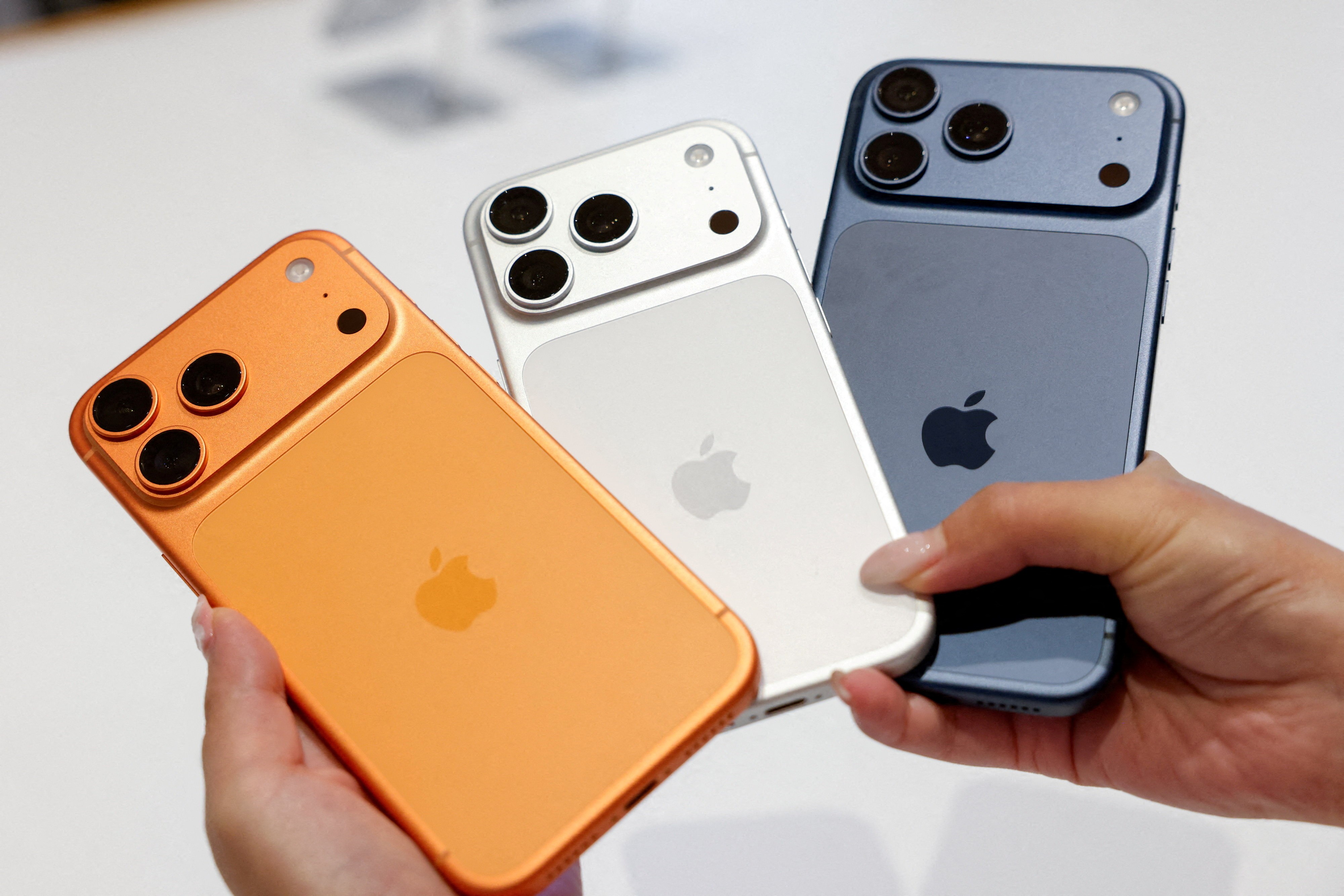
Global smartphone shipments experienced an 11% decline in the second quarter, reaching their lowest point since 2013, according to preliminary data from Counterpoint Research. This significant drop is attributed to an ongoing shortage of memory chips, which has driven up device prices and consequently dampened consumer demand. Apple, however, managed to buck the trend, increasing its shipments by 3% and securing a record 20% market share. This growth was fueled by strong demand for its premium iPhone models and stable pricing. Samsung reclaimed the top spot with a 24% market share, boosted by robust sales of its Galaxy S26 series, improved product availability, and more modest price increases in key markets like India and the Middle East. In contrast, Xiaomi, Oppo, and Vivo faced the steepest shipment declines among the top five manufacturers, largely due to their focus on entry-level and mid-range devices. Counterpoint Research has maintained its forecast for a roughly 14% decrease in global smartphone shipments for the entire year. The scarcity of memory chips is expected to persist until 2027, as suppliers prioritize AI-focused data center clients over consumer electronics. This shift has led to escalating memory prices, forcing smartphone manufacturers to pass on higher component costs to consumers, particularly impacting the pricing of lower and mid-tier devices.
The global smartphone market's contraction to a 13-year low highlights the profound impact of supply chain constraints, specifically memory chip shortages, on consumer electronics. The strategic reallocation of memory chip production towards AI-driven data centers, while rational from a high-growth sector perspective, creates significant friction for consumer markets. This dynamic exposes a potential systemic vulnerability where the demands of emerging technologies can directly impede the accessibility and affordability of established consumer goods. The price increases, especially for entry-level and mid-range devices, risk widening the digital divide, potentially slowing broader technology adoption. Looking ahead, manufacturers will need to navigate these competing demands, potentially through diversified sourcing strategies or by innovating device architectures that are less reliant on the most constrained components, to ensure market stability and continued consumer access in the coming years.
AI-generated to prompt reflection — not editorial opinion, not advice, not a statement of fact. How this works.