Global Study Reveals Human Centromere Variation and Evolution
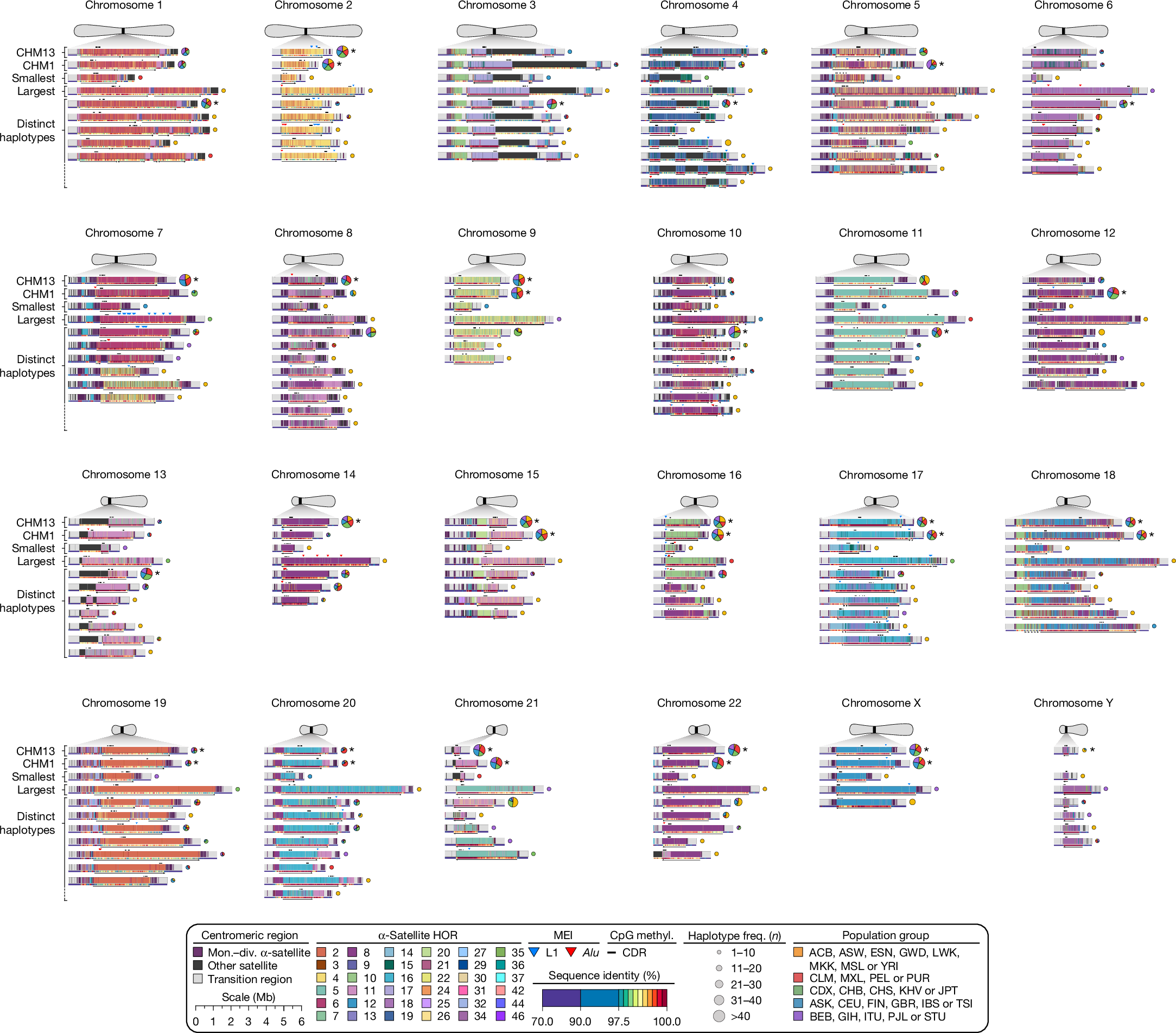
A comprehensive global study has provided new insights into the variation and evolution of human centromeres. The research offers a detailed look at these crucial chromosomal regions across diverse human populations worldwide. Understanding centromere dynamics is vital for comprehending fundamental biological processes, including cell division and genetic stability. The study likely involved extensive genomic data analysis from numerous individuals. By examining these variations, scientists can better understand how centromeres have evolved over time and their role in human health and disease. This research contributes to a deeper knowledge of human genetics and evolutionary biology. The findings could have implications for future studies in areas such as personalized medicine and the understanding of genetic disorders.
This research provides a foundational mapping of human centromere diversity, essential for understanding genomic stability and evolutionary trajectories. By detailing variations across global populations, the study lays the groundwork for investigating how these complex regions influence disease susceptibility and adaptation. Future work may explore the interplay between centromere structure, epigenetic regulation, and the emergence of genetic disorders, offering a systems-level perspective on human health. Understanding these evolutionary pressures on centromeres could illuminate broader principles of genome maintenance in the face of technological and environmental change.
AI-generated to prompt reflection — not editorial opinion, not advice, not a statement of fact. How this works.