Global Sulfur Shortage Halts Fertilizer Production in Goiás, Threatening Over 600 Jobs
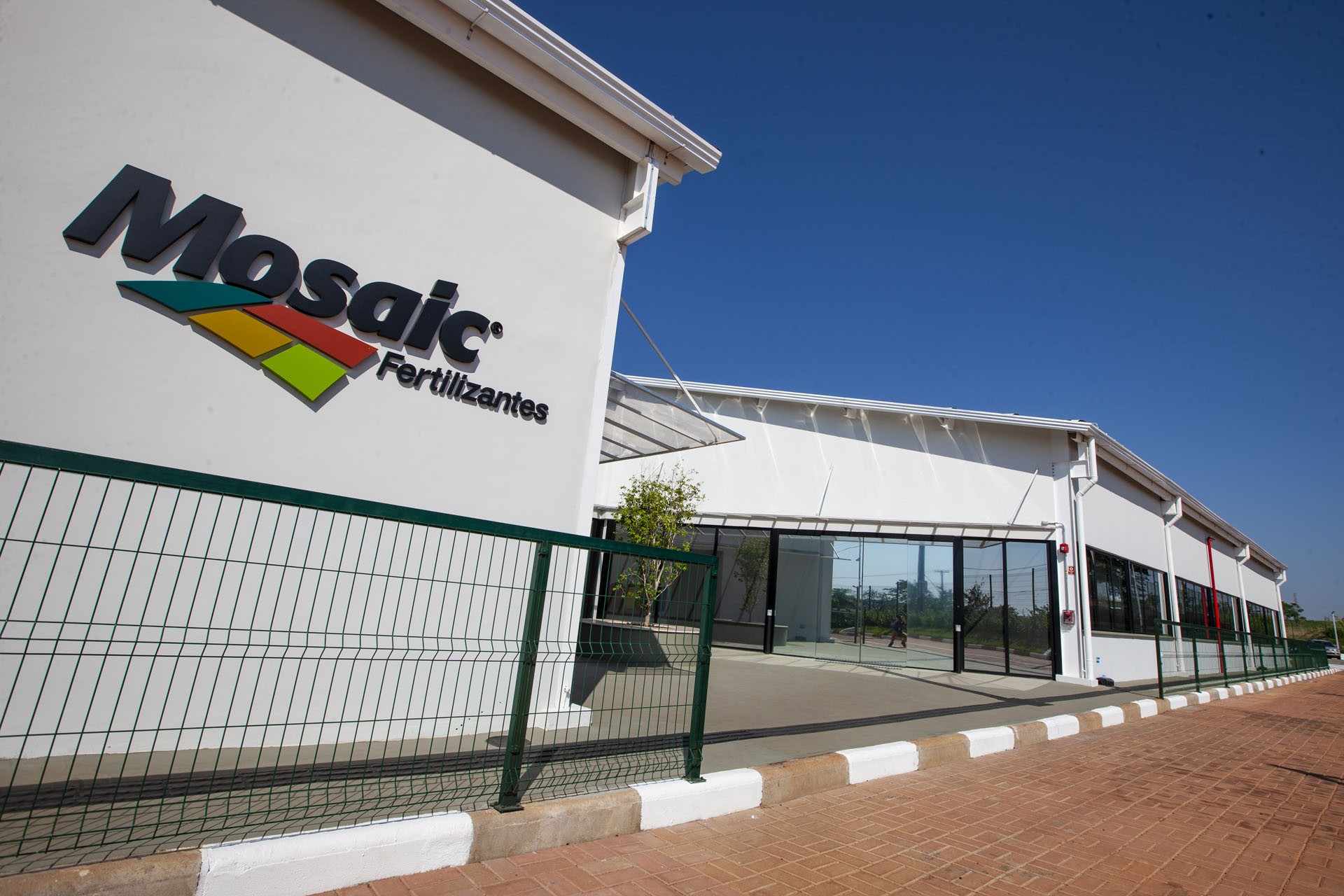
A global sulfur shortage, exacerbated by the conflict in the Middle East, has forced Mosaic, a major fertilizer producer, to temporarily halt production at its Catalão facility in Goiás, Brazil. This disruption puts over 600 direct jobs at risk, with potential ripple effects on outsourced workers, local commerce, and suppliers. The conflict has impacted maritime transport in the Persian Gulf, a key sulfur export region, increasing costs and hindering supply to Brazil.
Union representatives are in discussions with Mosaic's management in São Paulo, seeking to prevent mass layoffs and secure a definitive response by Friday, November 24th. The union emphasizes its commitment to maintaining dignified employment and income for workers, recognizing the significant economic impact on Catalão. Mosaic has acknowledged the situation, stating that measures are being taken with a focus on safety, transparency, and mitigating impacts on all stakeholders. The company is exploring alternative raw material sources and engaging in dialogue with unions, partners, and government authorities.
This production halt in Catalão is part of broader temporary adjustments across Mosaic's Brazilian operations, including facilities in Bahia, Tocantins, Mato Grosso, Minas Gerais, and Paraná. The company attributes these measures to geopolitical instability, maritime route restrictions, increased global demand, and rising sulfur costs. Sulfur is a critical component for phosphate fertilizers, with approximately four tons required to produce ten tons of DAP or MAP. Mosaic aims to resume full operational capacity once global sulfur supply normalizes, though the duration of these restrictions remains uncertain.
The current global sulfur shortage, driven by geopolitical conflict and supply chain disruptions, highlights the fragility of essential commodity markets. This event underscores the systemic risk posed by over-reliance on specific geographic regions for critical raw materials, particularly in sectors vital for global food security like fertilizer production. Companies like Mosaic face a complex balancing act between operational continuity, cost management, and social responsibility towards their workforce and local economies. Future strategic planning will likely need to incorporate greater supply chain diversification and potentially explore alternative chemical pathways or domestic sourcing to mitigate the impact of such geopolitical shocks, ensuring greater resilience in agricultural inputs.
AI-generated to prompt reflection — not editorial opinion, not advice, not a statement of fact. How this works.