Global Warming: The Surprising Country Driving the Most Emissions
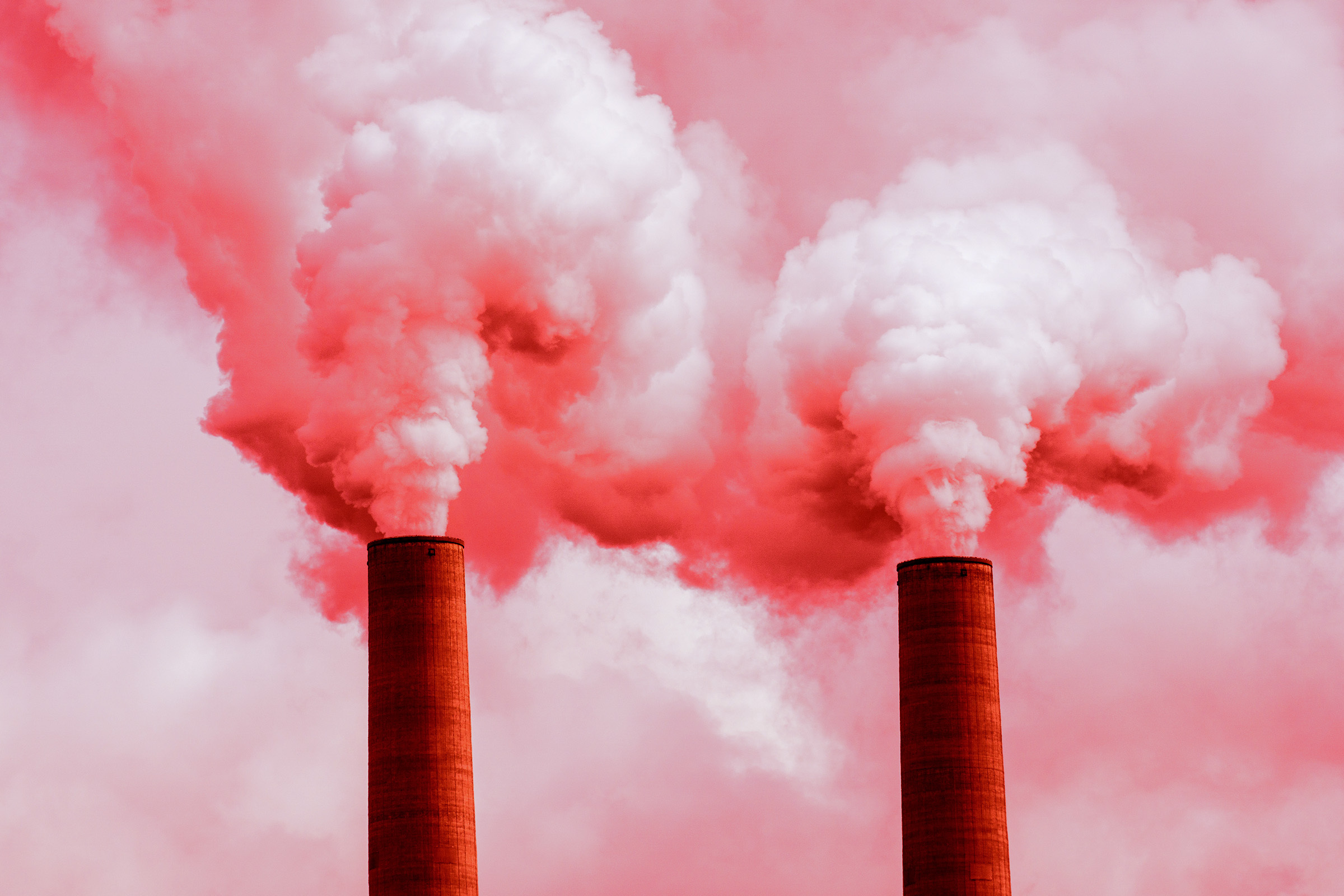
Contrary to common assumptions that renewable energy growth leads to fossil fuel decline, the reality of global warming's primary driver is more complex. Many people believe that as solar and wind power expand, the use of fossil fuels must be decreasing. However, this article suggests that a particular country is significantly contributing to global warming, challenging these widespread perceptions. The source implies that the expansion of renewables does not necessarily equate to a reduction in fossil fuel consumption on a global scale. This disconnect raises questions about the effectiveness of current strategies in combating climate change and highlights the need for a deeper understanding of energy transition dynamics. The article aims to reveal which nation is currently the largest contributor to greenhouse gas emissions, prompting a reevaluation of global climate action priorities.
The article challenges a common assumption that rapid renewable energy growth automatically reduces fossil fuel reliance. This framing suggests a potential disconnect between perceived progress in clean energy and actual emissions trends. Understanding the specific country's role and the underlying reasons for its emissions—whether driven by industrial expansion, energy demand, or policy—is crucial. Analyzing the interplay between domestic energy policies, international market forces, and global climate commitments will reveal the systemic challenges in achieving net-zero targets. Future efforts may need to focus on targeted interventions that address the specific drivers of emissions in major contributing nations, rather than relying solely on the aggregate growth of renewables.
AI-generated to prompt reflection — not editorial opinion, not advice, not a statement of fact. How this works.