Glomma River Nears Record Lows Due to Drought, Revealing Riverbed
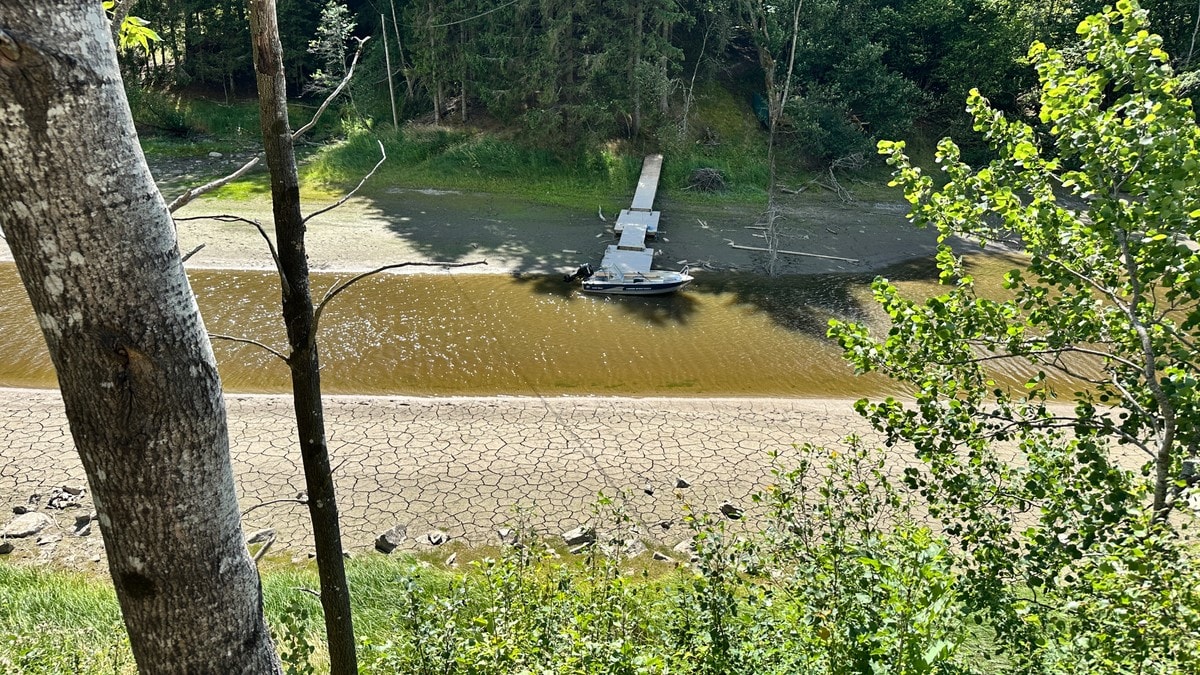
The water level in Norway's Glomma river is rapidly declining, approaching record lows following an extended period of drought. In some locations, the riverbed has become visible, leading to boats being stranded on dry land. This significant drop in water levels is a direct consequence of the prolonged dry weather conditions affecting the region. The exposed riverbed highlights the severity of the drought's impact on this major waterway. Authorities are monitoring the situation as the river's reduced flow poses challenges for navigation and potentially other ecological factors. The current state of the Glomma river serves as a stark indicator of the ongoing dry spell's intensity.
The severe drought impacting the Glomma river underscores the increasing vulnerability of critical water infrastructure to climate variability. Reduced water levels can disrupt transportation, energy generation, and local ecosystems, necessitating adaptive strategies. This event highlights the need for robust water management policies that account for prolonged dry periods and potential resource scarcity. Future planning should consider the long-term implications of climate change on river systems and explore solutions such as enhanced water storage, efficient usage protocols, and diversified water sources to ensure resilience.
AI-generated to prompt reflection — not editorial opinion, not advice, not a statement of fact. How this works.