GLP-1RA Discontinuation Linked to Increased Depression and Anxiety Risk in Type 2 Diabetes Patients
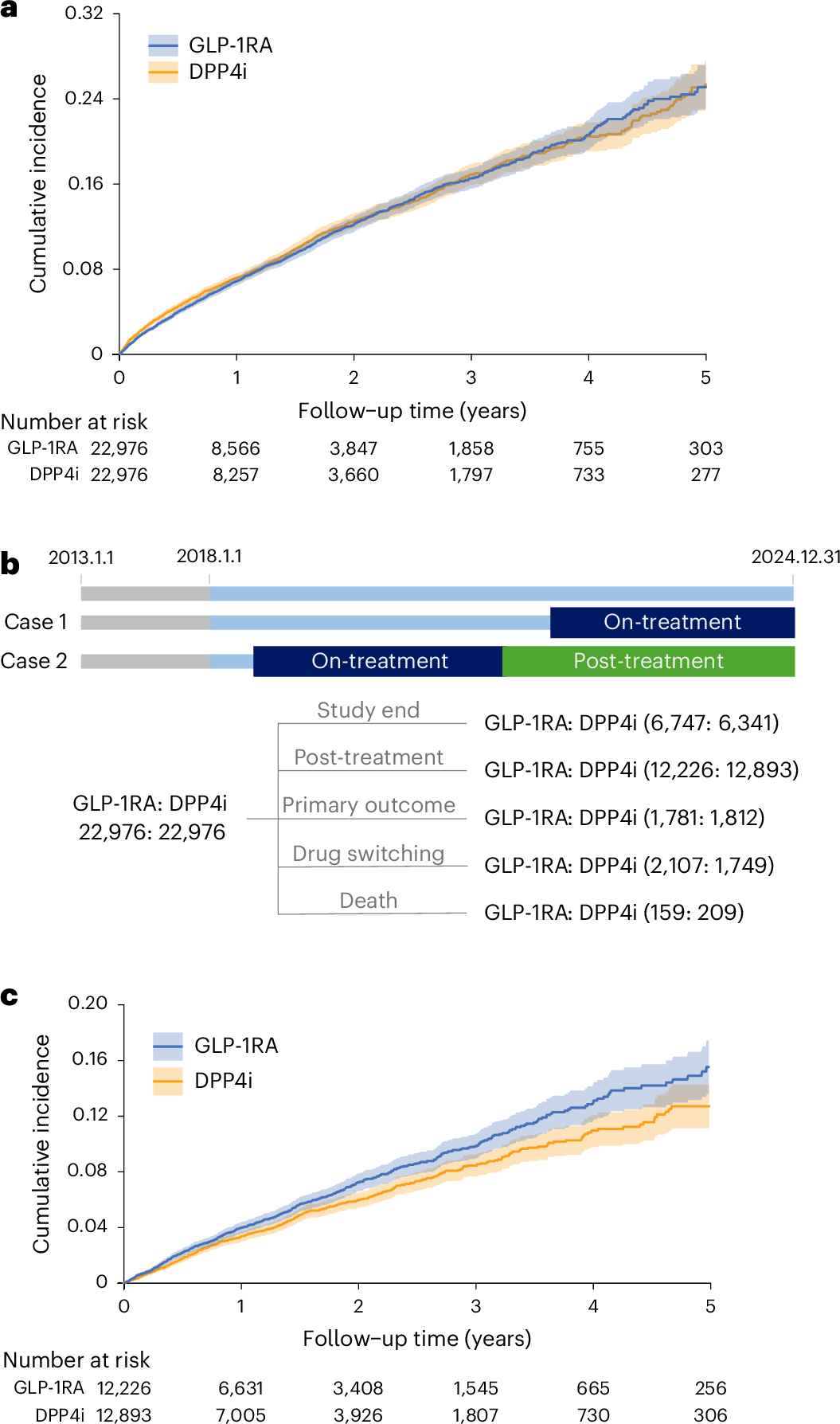
A recent cohort study has identified a potential association between discontinuing glucagon-like peptide-1 receptor agonists (GLP-1RAs) and an increased risk of developing depressive and anxiety disorders among individuals with type 2 diabetes. GLP-1RAs are a class of medications commonly prescribed to manage blood sugar levels in patients with type 2 diabetes and are also known for their weight-loss benefits. The study examined a cohort of patients diagnosed with type 2 diabetes to investigate the relationship between stopping these medications and subsequent mental health outcomes. Researchers analyzed data to determine if there was a statistically significant correlation between GLP-1RA discontinuation and the incidence of depression or anxiety diagnoses. The findings suggest that patients who ceased treatment with GLP-1RAs showed a higher likelihood of being diagnosed with these mental health conditions compared to those who continued their medication. This research highlights a previously under-explored aspect of GLP-1RA therapy, emphasizing the importance of considering mental health when managing diabetes treatment plans. Further investigation may be warranted to understand the underlying mechanisms and clinical implications of this observed association.
This study introduces a potential correlation between GLP-1RA discontinuation and adverse mental health outcomes in type 2 diabetes patients. From a systemic perspective, the analysis of medication adherence and its impact on both metabolic and psychological well-being is crucial. The findings prompt consideration of the complex interplay between physiological regulation, medication effects, and mental health states. Future research could explore whether the observed association is driven by the underlying disease progression, the withdrawal effects of the medication, or other confounding factors related to patient health management. Understanding these dynamics will be key for optimizing long-term patient care and ensuring comprehensive treatment strategies that address both physical and mental health needs in the evolving landscape of chronic disease management.
AI-generated to prompt reflection — not editorial opinion, not advice, not a statement of fact. How this works.