Goalkeepers of the Four World Cup Semi-Finalists Assessed
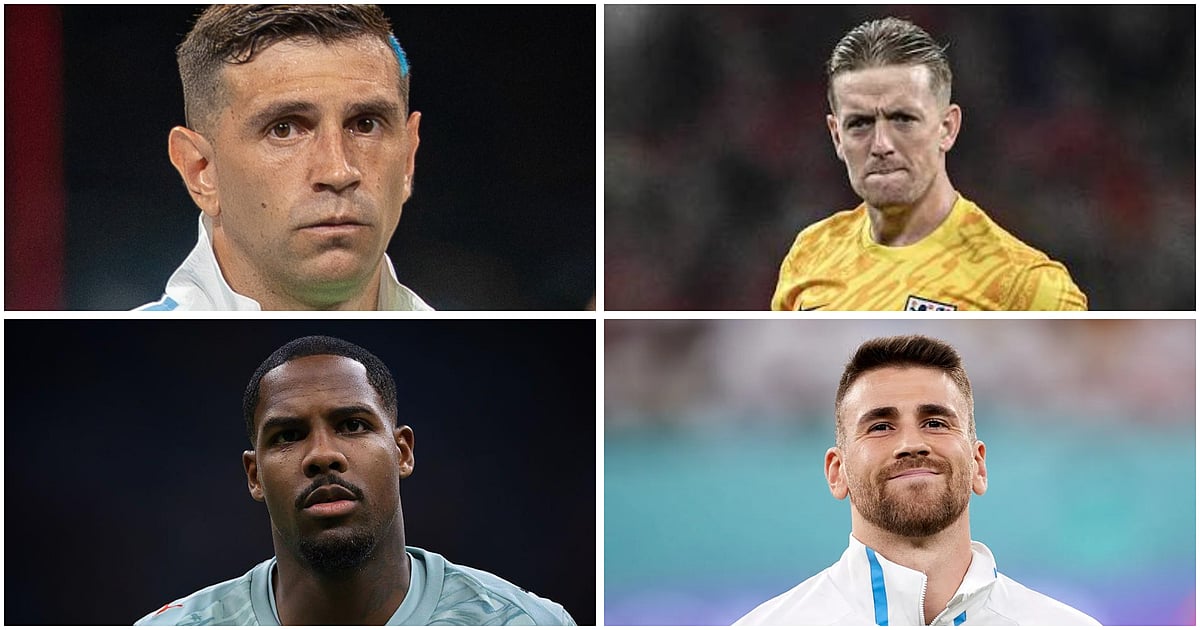
The 48-team World Cup has narrowed down to its final four contenders: Spain, France, Argentina, and England. The first semi-final match is scheduled to take place today between France and Spain. The article aims to provide an overview of the goalkeepers representing these four national teams. It will detail their performances and contributions throughout the tournament leading up to this crucial stage. The focus will be on how these goalkeepers have fared in their respective matches and their potential impact on the semi-final outcomes. Each goalkeeper's strengths and weaknesses will be analyzed in the context of their team's journey to the semi-finals. This assessment will help understand the goalkeeping prowess of the remaining elite teams in the competition. The upcoming semi-final clash between France and Spain is anticipated to be a closely contested affair, with the goalkeepers playing a pivotal role. The article will also touch upon the tactical approaches of the teams and how their goalkeepers fit into those strategies. Ultimately, the objective is to shed light on the individual performances of the goalkeepers in this high-stakes tournament.
The narrowing of the 48-team World Cup to four semi-finalists highlights the increasing specialization and performance demands placed on elite athletes. As teams advance, the marginal gains provided by exceptional individual performances, particularly in critical positions like goalkeeper, become more pronounced. This stage of the tournament reflects a global convergence of footballing talent, where strategic team building and individual execution are paramount. The pressure of semi-final matches often tests not only a player's technical skill but also their mental fortitude, influencing team dynamics and ultimate outcomes. Future football development may see further emphasis on advanced analytics and sports science to optimize goalkeeper training and performance under extreme competitive pressure.
AI-generated to prompt reflection — not editorial opinion, not advice, not a statement of fact. How this works.