Goat Meat Prices Soar in Kathmandu Amidst Bird Flu Concerns
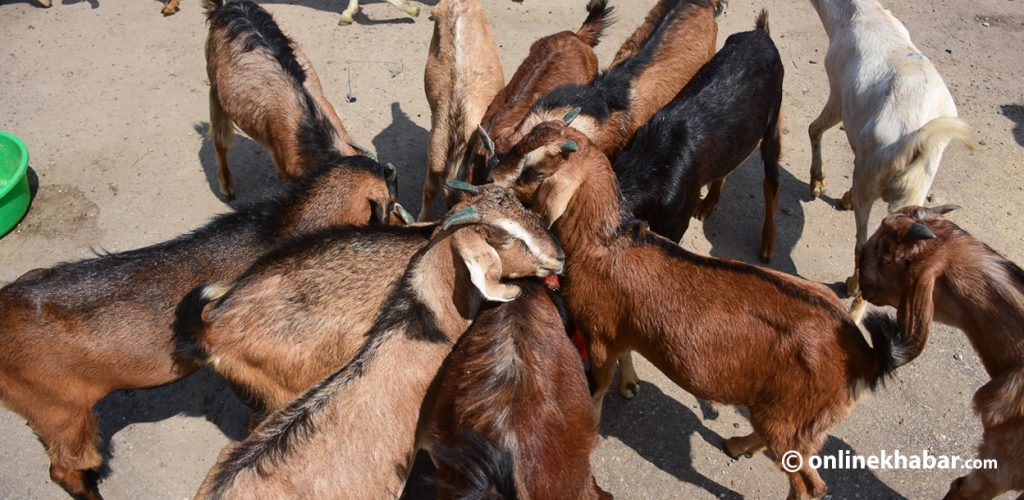
Consumers in the Kathmandu Valley are accusing middlemen and traders of exploiting the situation to inflate goat meat prices. They allege that traders are using the excuse of insufficient goat imports and increased demand to charge exorbitant rates. This surge in prices comes at a time when concerns about bird flu are prevalent, leading to a general sense of unease among the public regarding food safety and affordability. The situation highlights a perceived lack of regulation and oversight in the meat market, allowing opportunistic actors to capitalize on public anxieties. Consumers are calling for intervention to stabilize prices and ensure fair trade practices. The increased cost of goat meat is particularly burdensome for low-income households who rely on it as a significant source of protein. This price manipulation, if unchecked, could lead to further economic hardship for many residents of the valley.
The reported price surge in goat meat, ostensibly linked to bird flu concerns and supply chain issues, presents a classic case of market opportunism. While genuine supply-demand dynamics and potential health scares can influence prices, the accusation of middlemen exploiting the situation warrants scrutiny. This event underscores the vulnerability of consumer markets to information asymmetry and panic, particularly during public health alerts. The situation raises questions about the efficacy of market regulation and the need for transparent pricing mechanisms to prevent price gouging. Future market resilience may depend on building robust supply chains and establishing clear communication channels to counter misinformation and speculative behavior, thereby safeguarding consumer interests.
AI-generated to prompt reflection — not editorial opinion, not advice, not a statement of fact. How this works.