Goiânia to Get New High-Complexity Hospital with 40 Beds by 2027
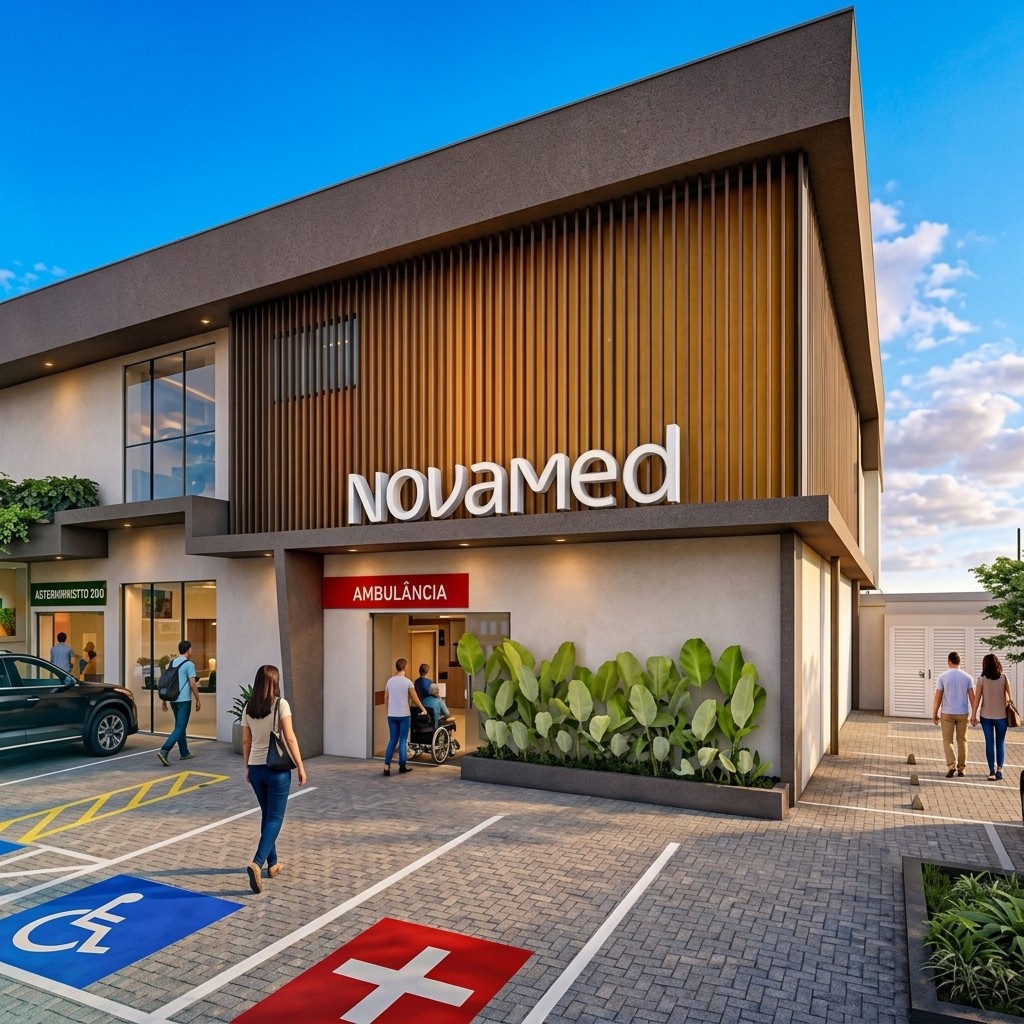
Goiânia will soon have a new high-complexity hospital, with construction underway in the Jardim América neighborhood and a projected opening in 2027. Operated by Novamed, the facility will feature 40 beds dedicated to advanced treatments, with a strategic focus on oncology and hemodynamics, addressing critical areas like cancer and cardiovascular diseases. This development comes as Brazil faces a growing demand for complex medical procedures, driven by an aging population and an increase in chronic conditions. Data from Vigitel 2025 indicates a significant rise in diabetes (135% increase between 2006-2024) and obesity (118% increase), while IBGE projections suggest that by 2030, individuals over 60 will outnumber children under 14. The new hospital will span 2,300 square meters of built area within a 5,700 square meter complex. Novamed aims to expand its capacity to accommodate up to 10,000 monthly services, integrating consultations, examinations, and hospitalizations. Currently, the group manages an existing Clinical Center in Goiânia. The investment is intended to bolster healthcare services in Goiânia and its Metropolitan Region, enhancing patient care and reducing reliance on external hospitals. The hospital will be managed by Dr. Júlio Ferro, who emphasizes a localized administrative model for operational efficiency. This project is also expected to create jobs and improve hospital infrastructure to meet future healthcare demands.
The expansion of high-complexity healthcare facilities in Goiânia reflects a strategic response to demographic shifts and the rising prevalence of chronic diseases in Brazil. The investment by Novamed in a new hospital, focusing on oncology and hemodynamics, aligns with anticipated future healthcare needs driven by an aging population and increased incidence of conditions like diabetes and heart disease. This initiative aims to enhance service delivery and reduce dependency on third-party providers, potentially improving efficiency and patient outcomes. From a systems perspective, such developments highlight the ongoing challenge for healthcare operators to balance specialized care provision with accessible and integrated service models. The focus on regionalized management suggests an effort to optimize operational workflows in response to complex medical demands. Future considerations may include how this new capacity integrates with broader public health strategies and ensures equitable access to advanced treatments across the population.
AI-generated to prompt reflection — not editorial opinion, not advice, not a statement of fact. How this works.
