Goiás' 300km 'Caminho de Cora Coralina' Trail Blends Nature, History, and Poetry
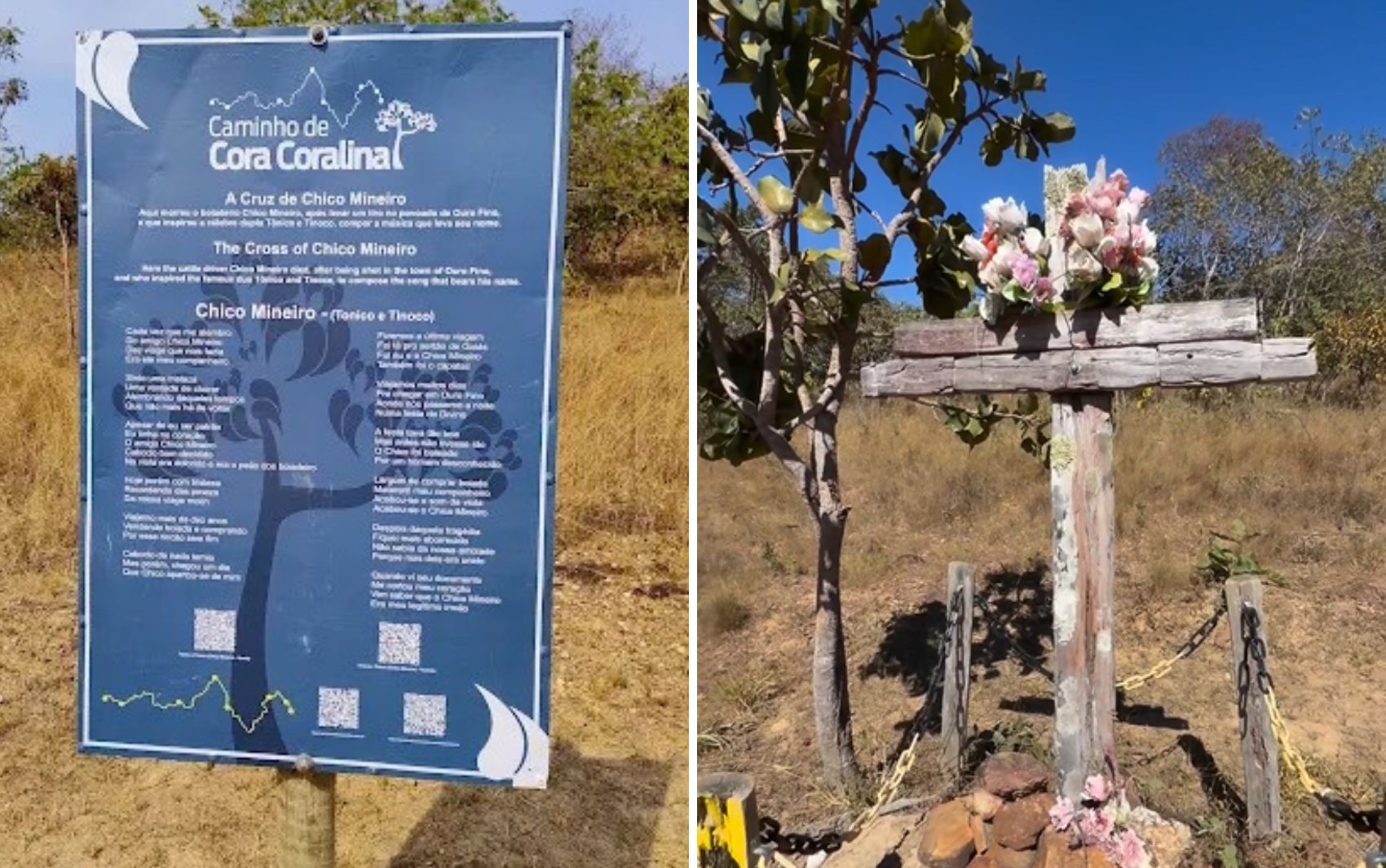
Inspired by Spain's Camino de Santiago, the Caminho de Cora Coralina is a 300-kilometer trail in Goiás, Brazil, that opened in 2018. This poetic route connects Salto de Corumbá to the historic Cidade de Goiás, traversing eight villages and showcasing the Cerrado landscape, historical sites, ruins, and cultural monuments. Along the path, approximately 60 plaques feature poems, excerpts from the work of Goiás-born writer Cora Coralina, and historical information about the municipalities. Bruno Ribeiro, the project's Director of Communication, described it as the world's first long-distance poetry trail, aiming to immerse visitors in Goiás's culture, literature, and history beyond mere adventure tourism. The trail is fully signposted, allowing navigation without mandatory guides, and can be completed in about 15 days on foot or five days by bicycle. While access is free, a R$45 passport is available for collecting stamps and receiving a certificate. A notable stop is the Cruz do Chico Mineiro, near the ruins of Ouro Fino, traditionally believed to be the site where the legendary cowboy Chico Mineiro died. A bilingual plaque at the monument recounts his story and the famous song by Tonico and Tinoco, with many visitors leaving flowers. However, José Carlos Perez, son of singer Tinoco, notes the lack of historical proof for Chico Mineiro's existence or death location, attributing the story's enduring truth to the power of folk music.
The Caminho de Cora Coralina exemplifies a growing trend in tourism that integrates cultural heritage, literature, and natural landscapes to create unique, experience-driven journeys. By drawing parallels with the globally recognized Camino de Santiago, the project leverages an established pilgrimage model to attract visitors and foster local economic development. The inclusion of poetry and historical narratives, particularly the story of Chico Mineiro, adds layers of cultural depth, though the project must navigate the distinction between folklore and verifiable history. Future success may depend on balancing the romantic appeal of such narratives with transparent historical context and sustainable tourism practices that respect both the environment and local communities. The model offers a blueprint for other regions seeking to monetize their cultural and natural assets through narrative-driven tourism, potentially influencing how intangible heritage is preserved and presented in the digital age.
AI-generated to prompt reflection — not editorial opinion, not advice, not a statement of fact. How this works.